Quarry Process, Gravel and Stone Delivered Across New Jersey
New Jersey Rock Supply handles bulk gravel and aggregate delivery across New Jersey, and the material most New Jersey jobs start with is quarry process. Locally that is QP, 3/4 inch QP or DGA. Or quarry process stone. Our ground tells you why it matters: rocky till and shallow hard rock in the northwest hills, clay-rich red shale through Central Jersey, and deep, loose sand across the Pinelands and South Jersey all change how deep a base has to go.
Materials Delivered Across New Jersey
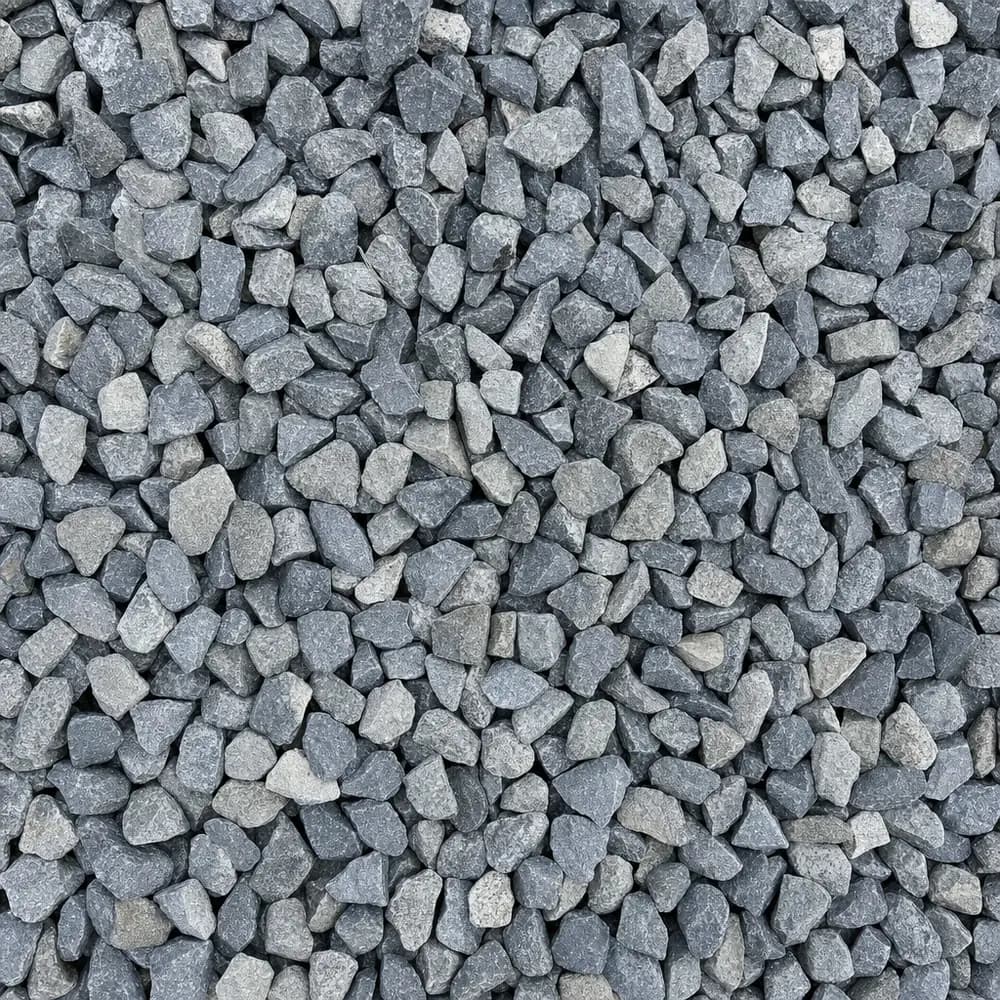
Order by project type and the right material usually picks itself. For a driveway, start with quarry process as the compacted base, then top it with Driveway Gravel or 3/4" Trap Rock. Trap rock is the hard, dark crushed stone New Jersey is known for, and it also works for drainage and for topping a compacted base.
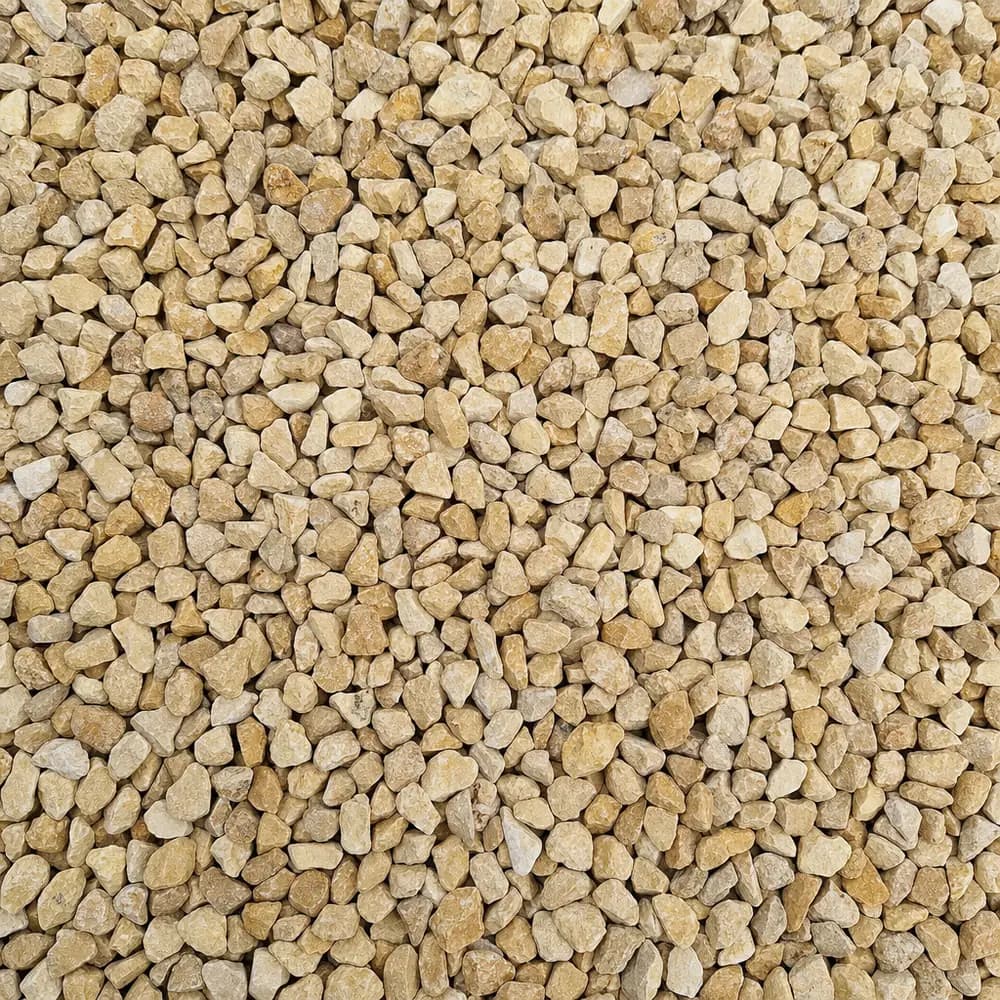
For a patio or walkway, quarry process goes down first, then Stone Dust as the setting bed, since stone dust (also called screenings) is the usual New Jersey bedding over QP. Finish with Walkway Gravel, Natural Pea Gravel at roughly 3/8 inch, or River Rock for decorative beds and dry creek beds.
For a drain, washed stone is sold by size. #57 Stone is the common clean stone for French drains, drainage behind retaining walls and downspout runs, with Drain Rock and #4 Crushed Stone for heavier trench and foundation work. RipRap armors stream banks, culvert outlets and shorelines against storm runoff and flooding.
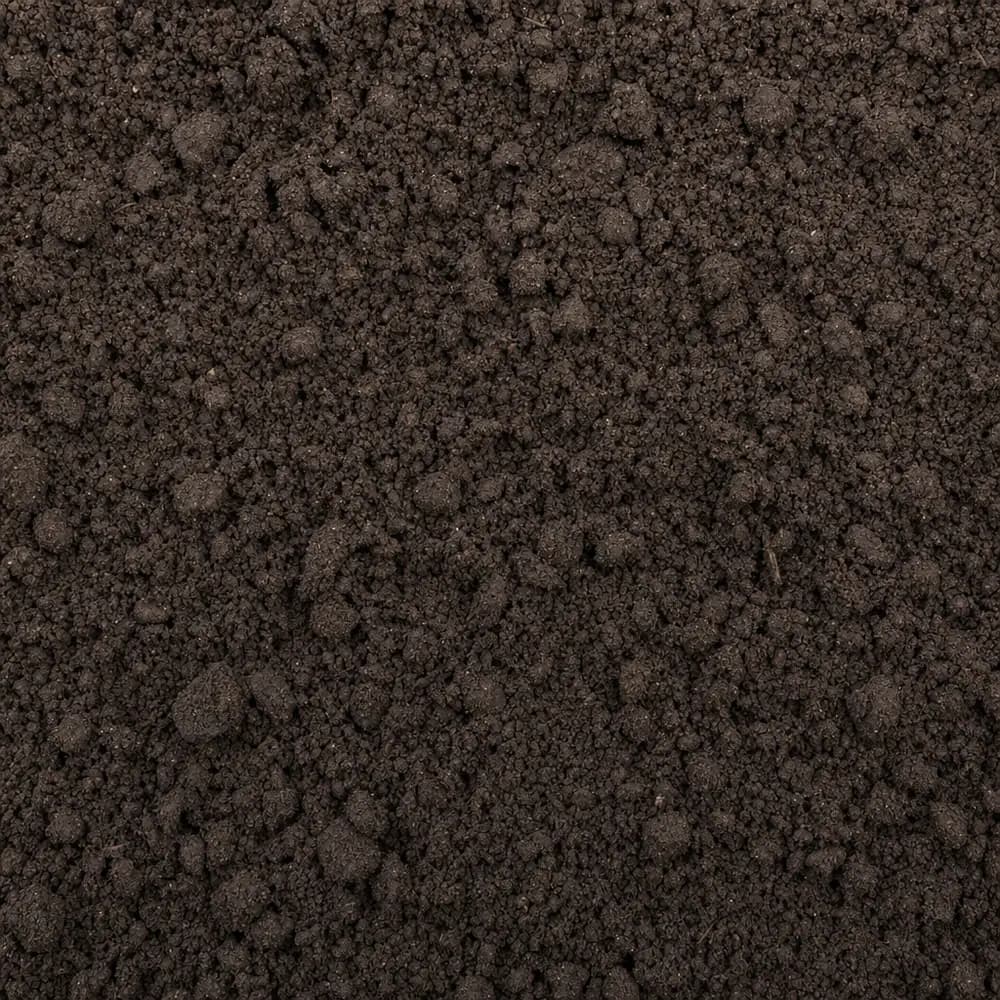
Soils and fills round out most orders. Fill Dirt raises grade and backfills before a QP base goes down, Top Soil is screened for lawns and beds, and Mason Sand covers brick and block work, paver joints and play sand.
Ground and Climate Across New Jersey
Base depth follows the ground, not the calendar. In the Skylands, Highlands and the northwest ridges, stony ground sits over hard gneiss, granite, sandstone, shale and limestone, with rock close to the surface and bouldery glacial till north of the terminal moraine. Base work there often means excavating to a stable plane before quarry process goes down, and frost reaches 3 ft under the NJ residential code.
North Jersey lowlands, including the Passaic, Hackensack and Newark Bay basins, mix red shale and sandstone bedrock with basalt and diabase ridges, compact glacial till, and silt and clay from old glacial lakes. Around the Meadowlands and Newark Bay much of the ground is former tidal marsh and fill, so drainage and base thickness need a closer look. Frost stays at 3 ft.
Central Jersey Piedmont soils are silty and clay-rich over red shale, sandstone and argillite, which drains slowly and delays spring grading. Frost is 3 ft in Mercer and Middlesex and 2 ft 6 in through Monmouth, Burlington, Camden, Gloucester and Salem on the Inner Coastal Plain, where layered sand, silt and clay holds water better than the sands farther southeast.
Across the Pinelands, the Shore mainland and the Delaware Bayshore, deep loose sand drains fast and holds little water, so a shallow, well-compacted base usually holds. Barrier islands from Long Beach Island to Cape May County sit on beach and dune sand with salt marsh and bay mud behind them, and frost is 2 ft 6 in. Fast runoff off rock, till and clay floods the Passaic, Hackensack, Raritan and Millstone basins, while the south floods from high water tables and nor'easter tides, so drainage stone and riprap matter more the closer you get to open water.
Where We Deliver in New Jersey
Delivery covers the whole state, from Bergen County, Passaic County, Morris County, Essex County, Hudson County and Union County down through Middlesex County, Mercer County, Monmouth County, Ocean County, Burlington County and Camden County. North Jersey, Central Jersey, South Jersey, the Jersey Shore, the Skylands, the Highlands, the Pinelands and the Delaware Valley are all inside the delivery area. Frozen and slow-thawing ground holds up base and grading work longest in the northwest hills, wet clay slows spring work in Central Jersey, and sandy southern and Shore ground can often be worked through much of the winter apart from storm tides.
How to Order and Size a Load
Order online and pick your quantity before you check out. Most bulk material is sold by the ton or by the cubic yard, and a materials calculator is the quickest way to convert a driveway, pad or bed into a number. Measure length, width and planned depth, then let the calculator convert them into cubic yards and tons.
Base layers are usually planned as a solid compacted depth built up in thin lifts, rather than one deep pour. If you are unsure between quarry process and crusher run, the two are similar compacting blends, and quarry process is the usual base material in New Jersey. If your site needs fill first, add fill dirt to the same order so the base and grade go in together.
Order Quarry Process and Gravel for Your New Jersey Job
Quarry process is the base most New Jersey projects are built on, and it is the material to order first whether you are rebuilding a driveway in Morris County or setting pavers on the Shore. Add the stone, sand, topsoil or mulch you need to the same order, size it with a materials calculator, and check out online. Place your order today and we will deliver it across New Jersey.
Our Most Popular Products
Material prices from our best bulk rate. Delivery is included in the price you see once you enter your ZIP.
Driveway Gravel
From $44/ton
material only, delivery included in your ZIP quote
Walkway Gravel
From $45/ton
material only, delivery included in your ZIP quote
Top Soil
From $40/ton
material only, delivery included in your ZIP quote
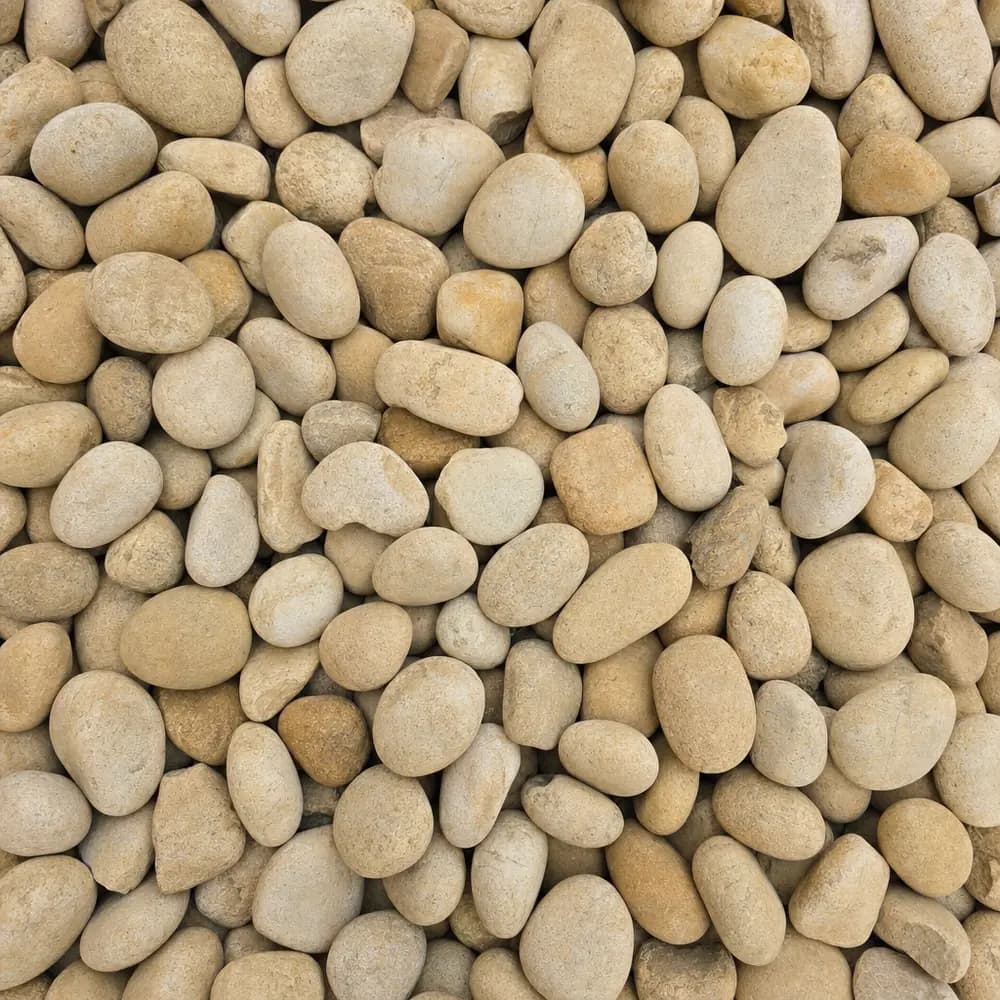
River Rock
From $117/ton
material only, delivery included in your ZIP quote
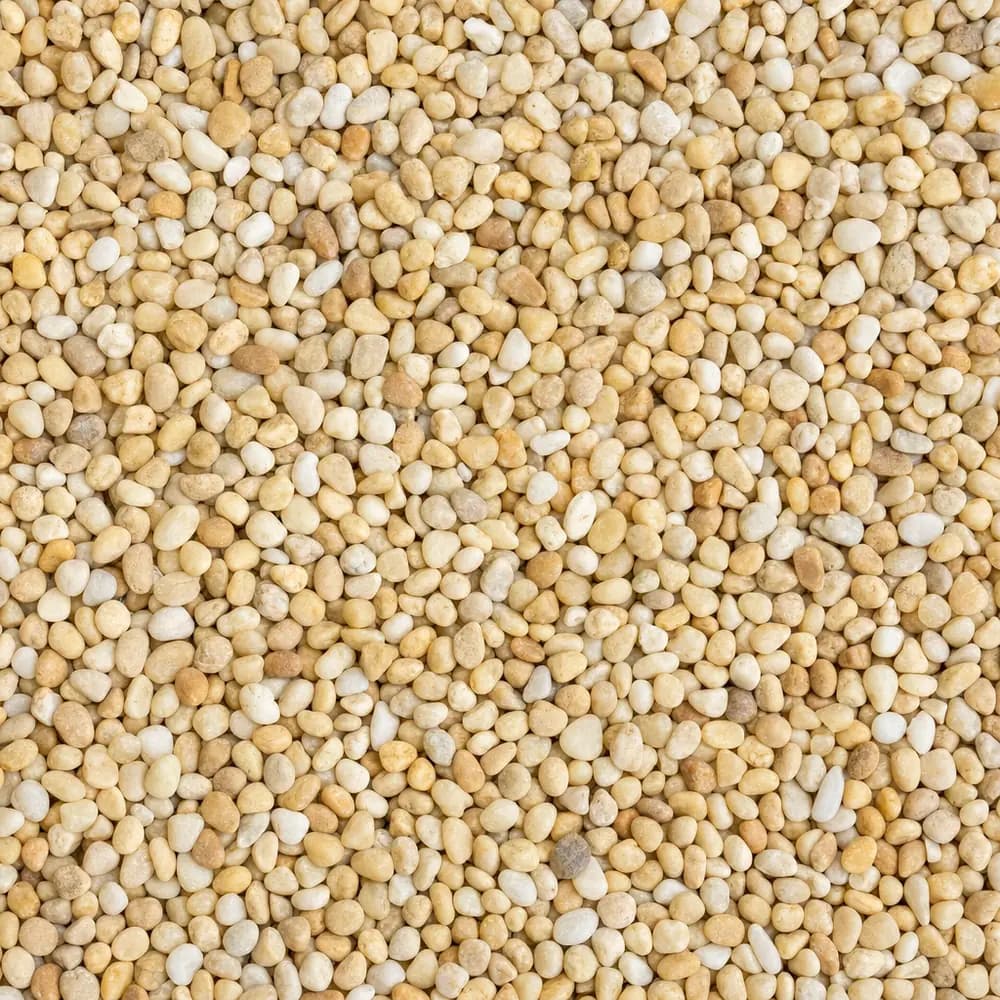
3/8" Natural Pea Gravel
From $77/ton
material only, delivery included in your ZIP quote
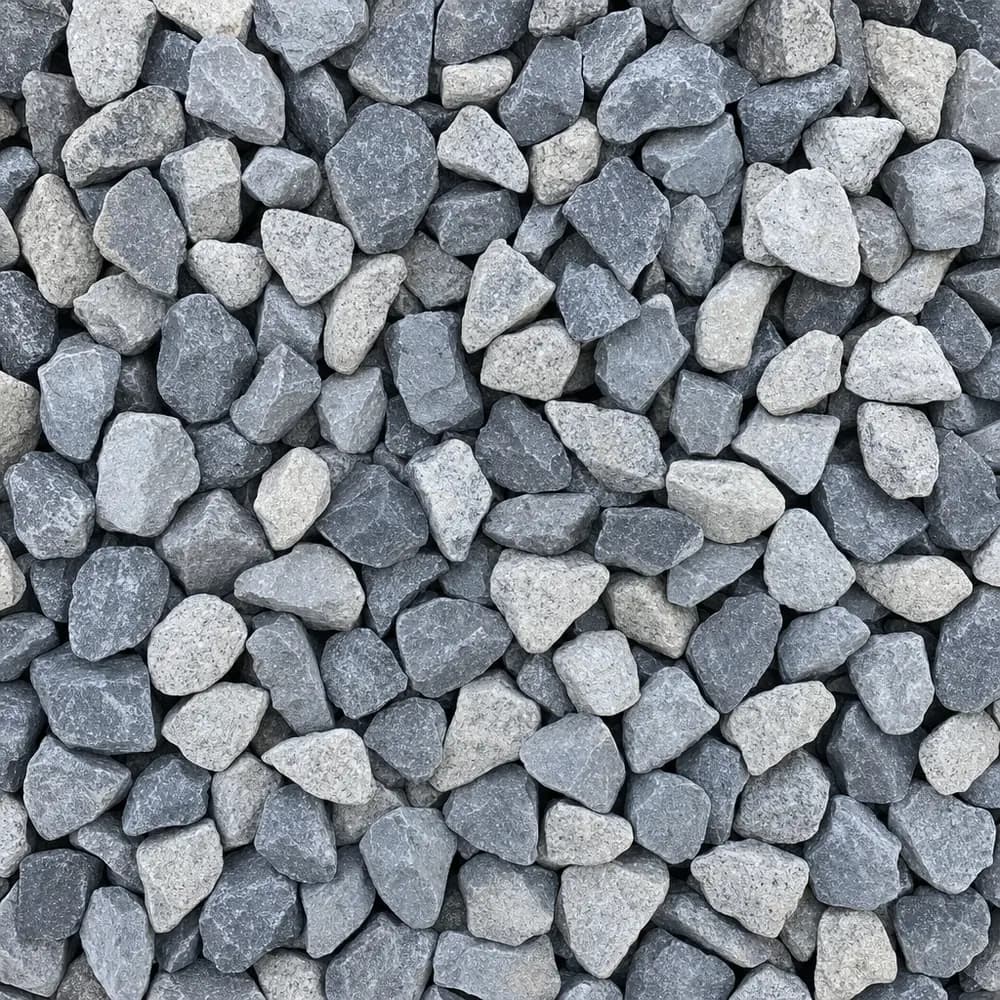
#57 Stone
From $44/ton
material only, delivery included in your ZIP quote
Frequently Asked Questions
Common questions about gravel and aggregate delivery in New Jersey
How much gravel do I need for my project?
Measure the area in feet, multiply length by width by depth in feet to get cubic feet, then divide by 27 for cubic yards. Turning cubic yards into tons depends on the material, so let the calculator handle that step. A materials calculator does this for you. For a driveway base, plan on quarry process compacted in lifts before the top layer goes on.
Do you deliver to New Jersey?
Yes. New Jersey Rock Supply delivers bulk gravel, stone, sand, topsoil and mulch across New Jersey, including Bergen, Passaic, Morris, Essex, Hudson, Union, Middlesex, Mercer, Monmouth, Ocean, Burlington and Camden counties. Delivery covers North Jersey, Central Jersey, South Jersey, the Jersey Shore, the Skylands, the Highlands, the Pinelands and the Delaware Valley. Enter your delivery address online when you place the order.
What is the difference between crushed stone and Natural Pea Gravel?
Crushed stone is angular rock broken and screened to a size, such as #57 stone or 3/4 inch trap rock, and it locks together when compacted. Natural Pea Gravel is a rounded, washed 3/8 inch stone that stays loose underfoot. Use crushed stone for base, drainage and drives, and Natural Pea Gravel for walkways, play areas and patio borders.
Counties We Serve in New Jersey
Largest Cities We Serve in New Jersey
- Absecon, NJ
- Allendale, NJ
- Allenhurst, NJ
- Allentown, NJ
- Andover, NJ
- Annandale, NJ
- Asbury, NJ
- Asbury Park, NJ
- Atco, NJ
- Atlantic City, NJ
- Atlantic Highlands, NJ
- Audubon, NJ
- Augusta, NJ
- Avalon, NJ
- Avenel, NJ
- Avon By The Sea, NJ
- Barnegat, NJ
- Barrington, NJ
- Basking Ridge, NJ
- Bayonne, NJ
- Bayville, NJ
- Beach Haven, NJ
- Beachwood, NJ
- Bedminster, NJ
Every City & ZIP Code We Serve in New Jersey
78 cities and ZIP codes, listed alphabetically.