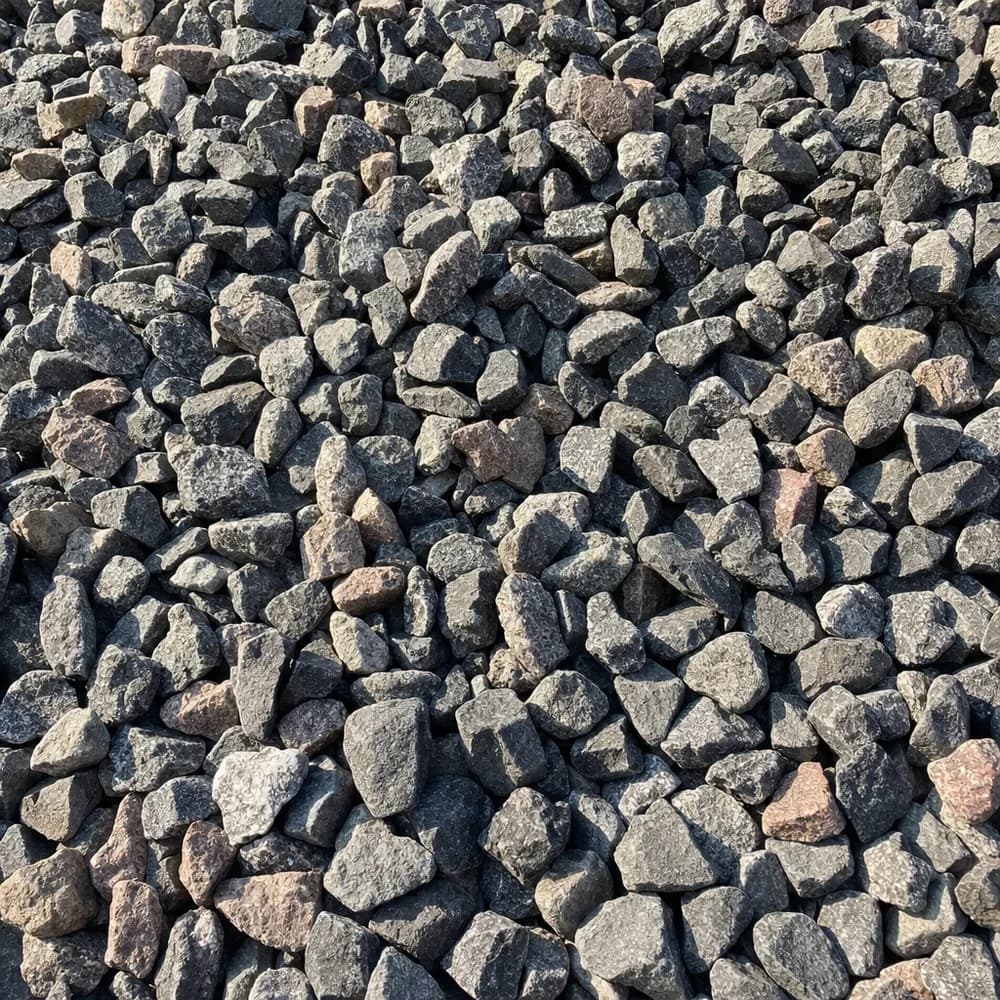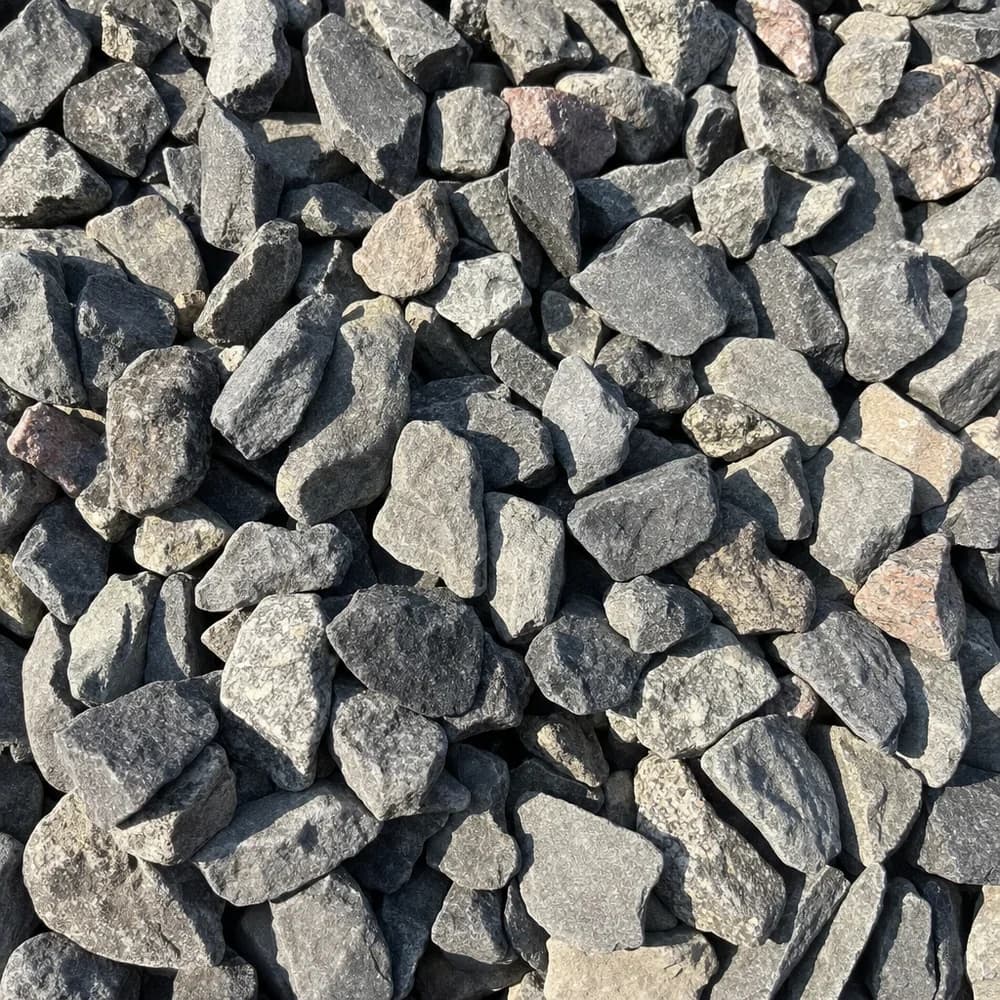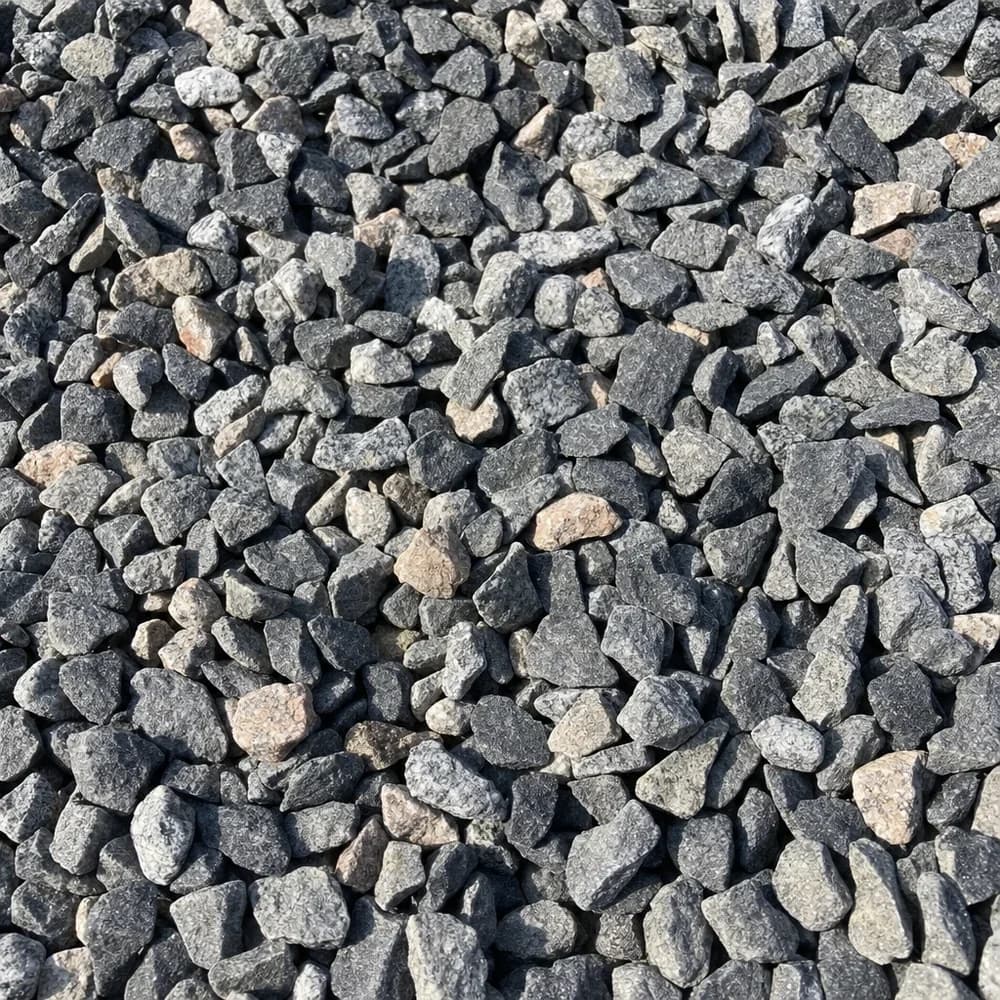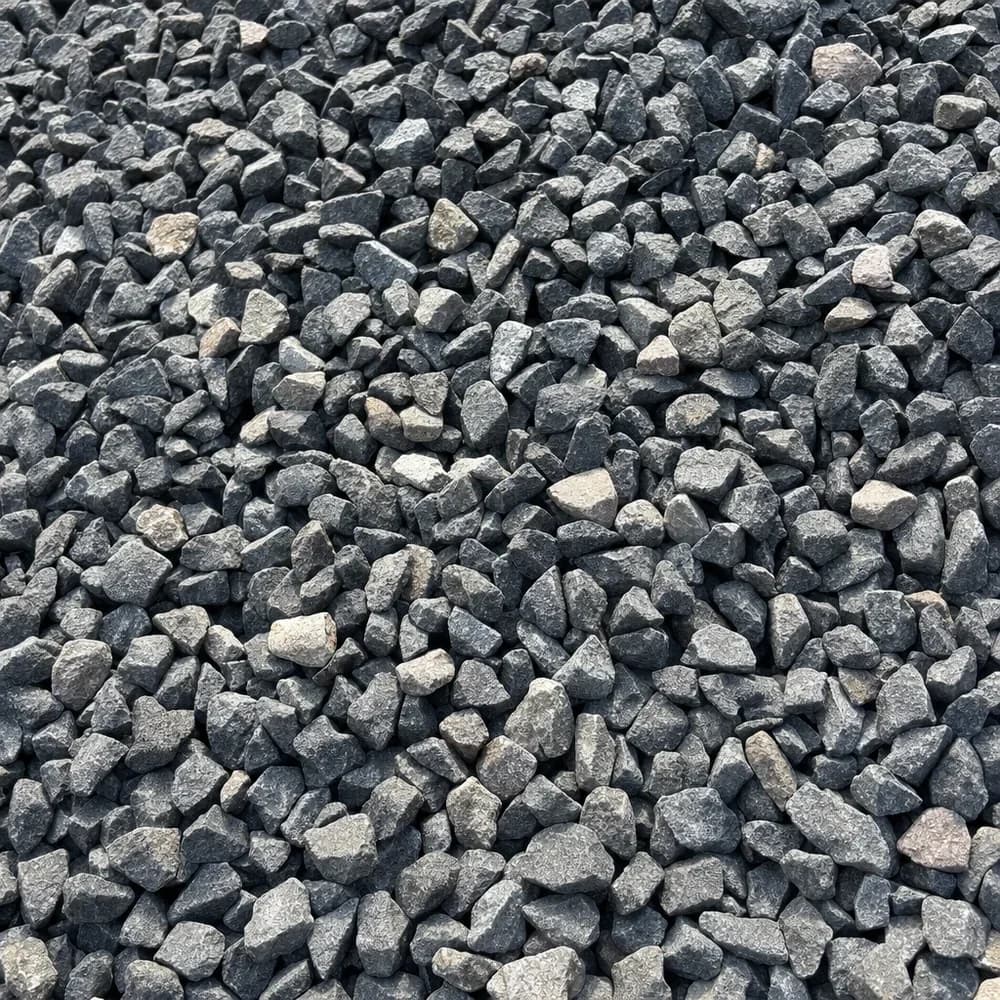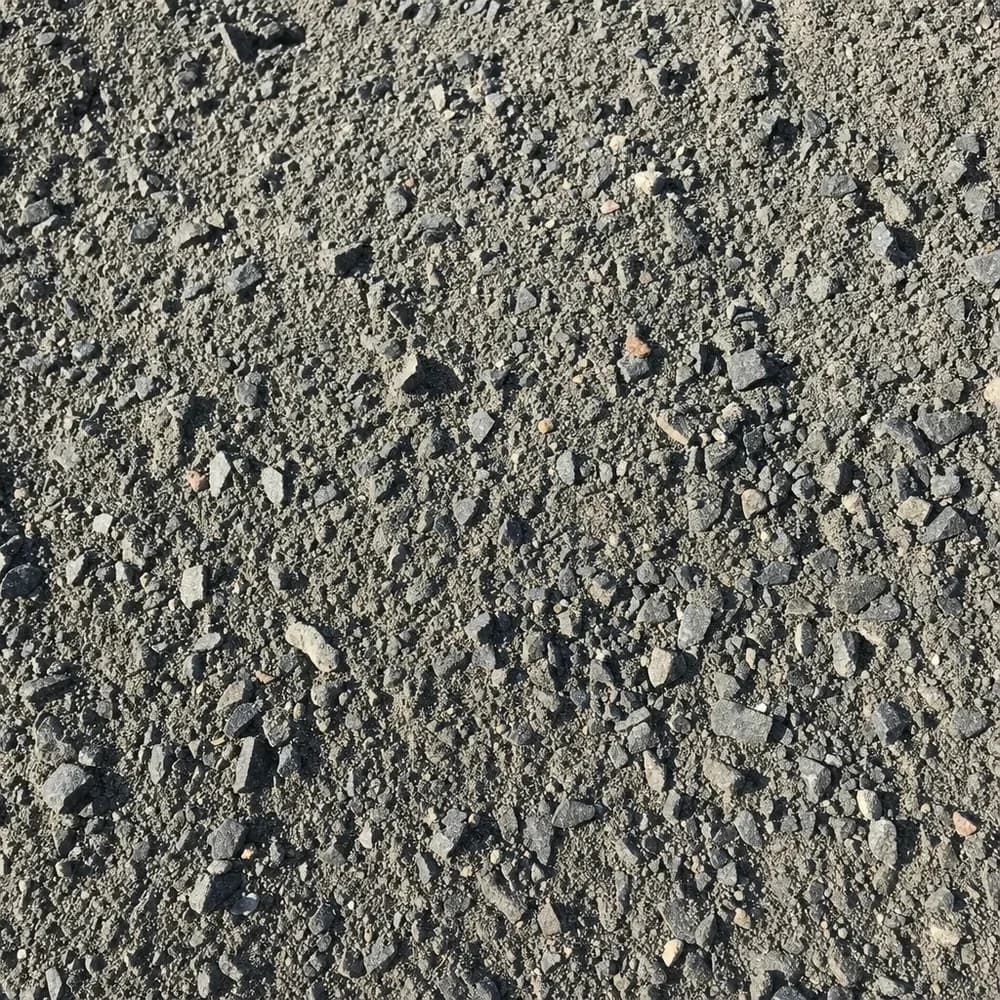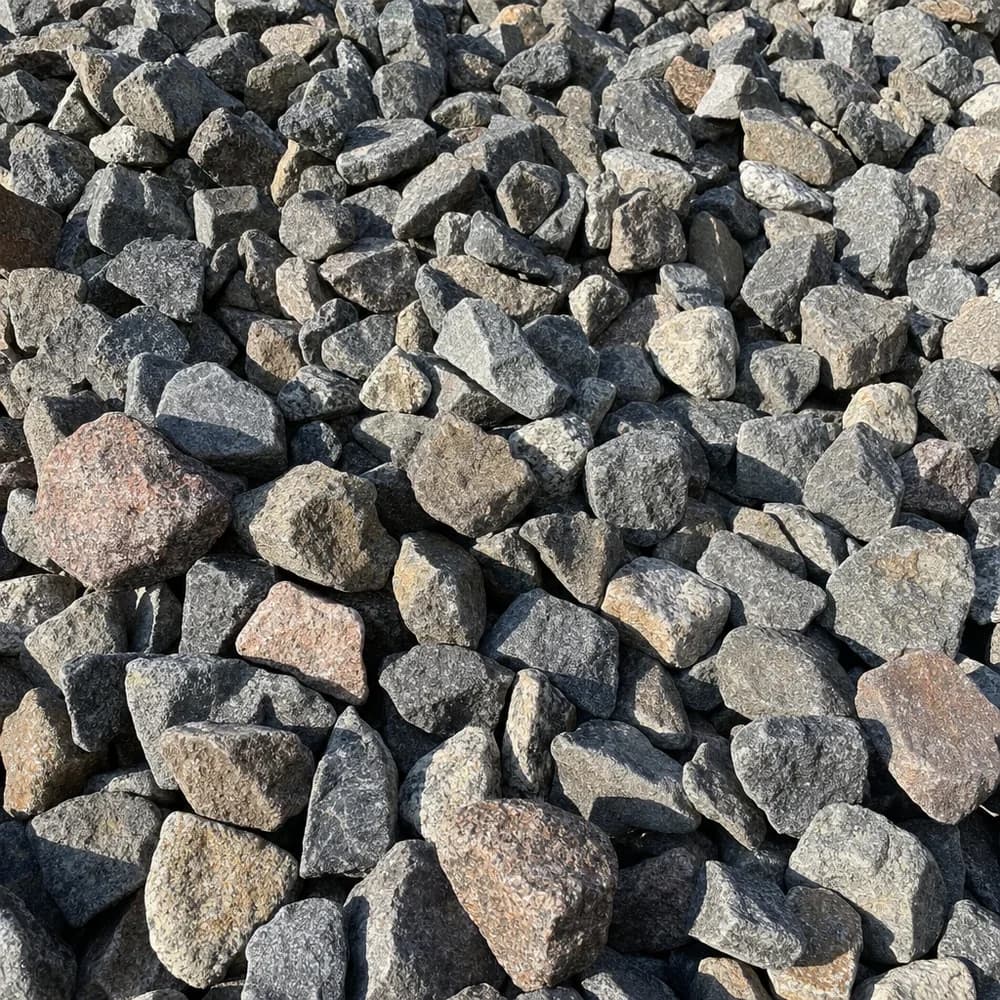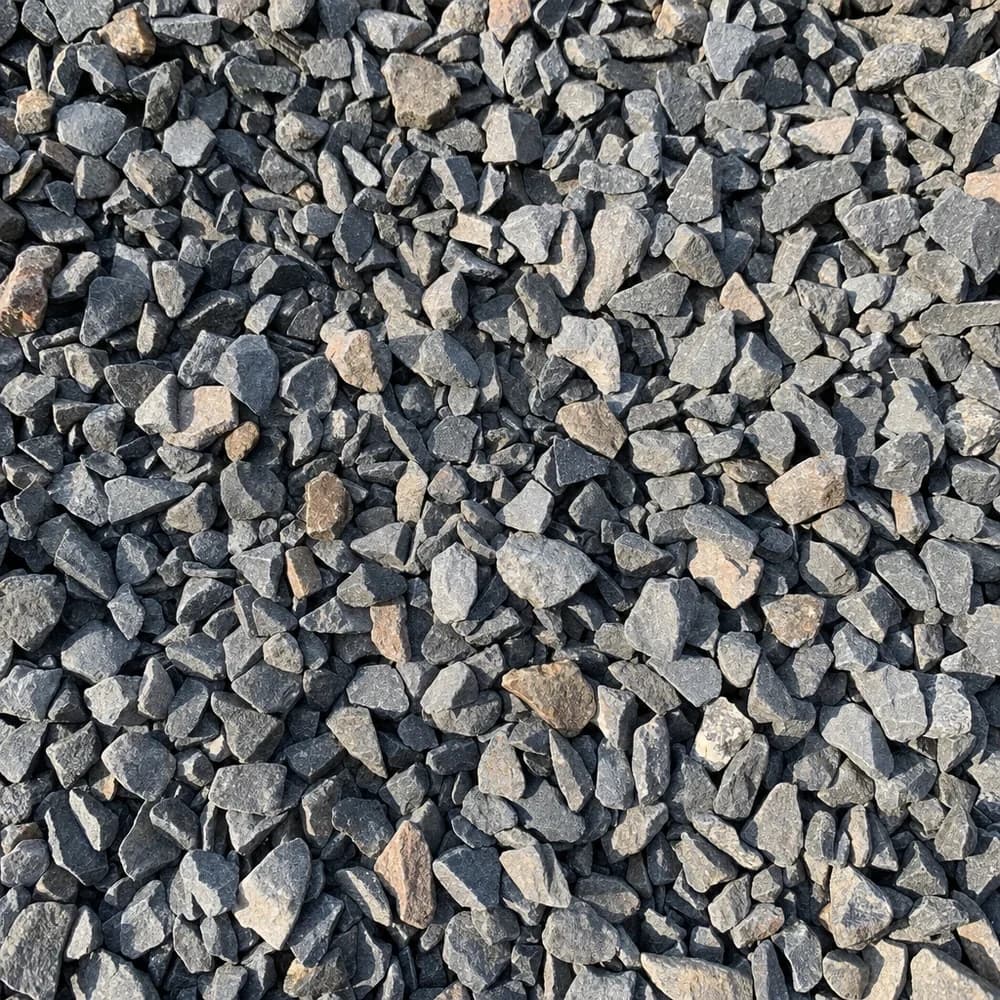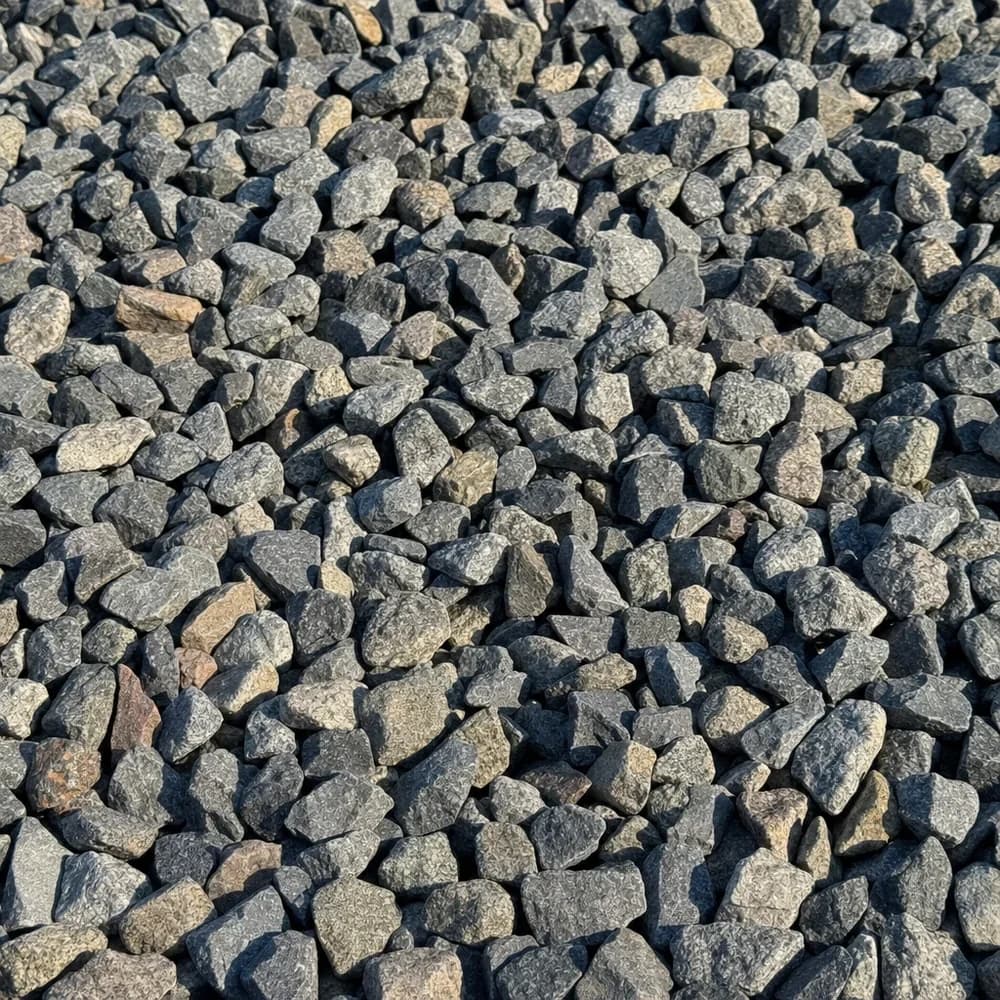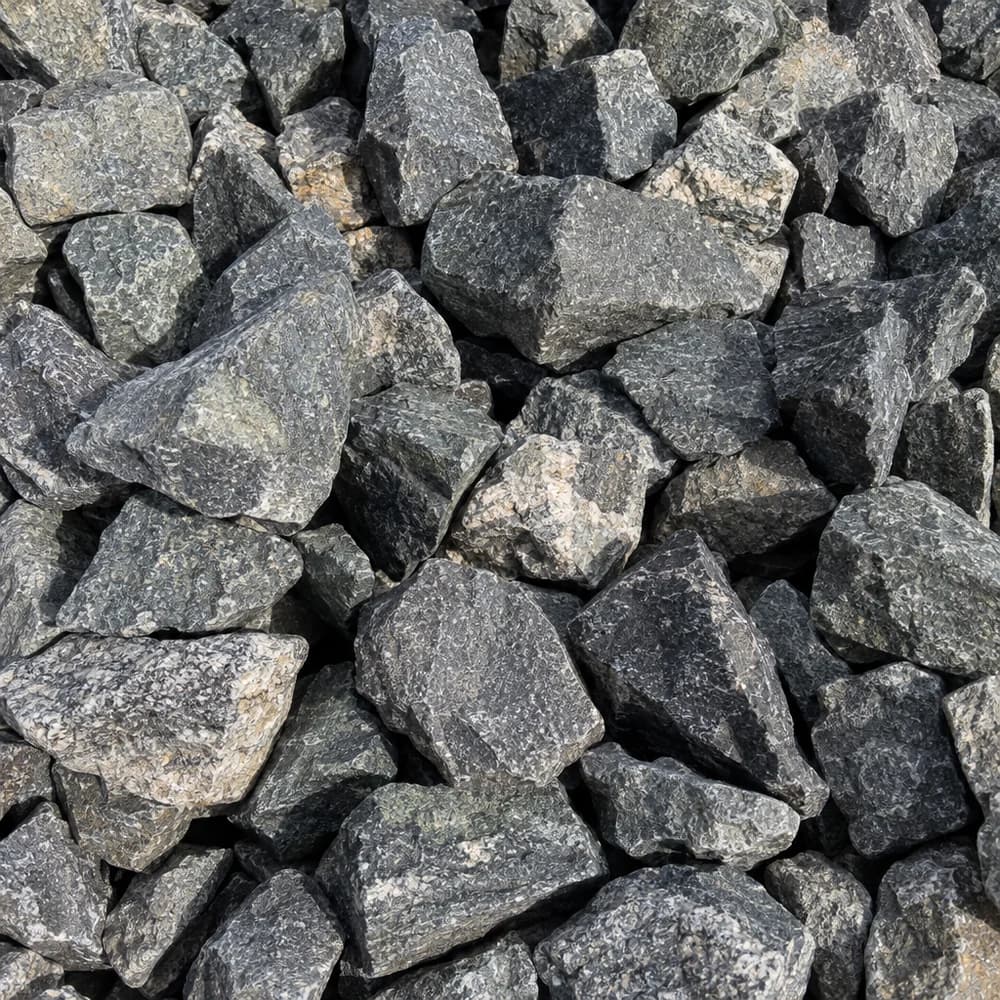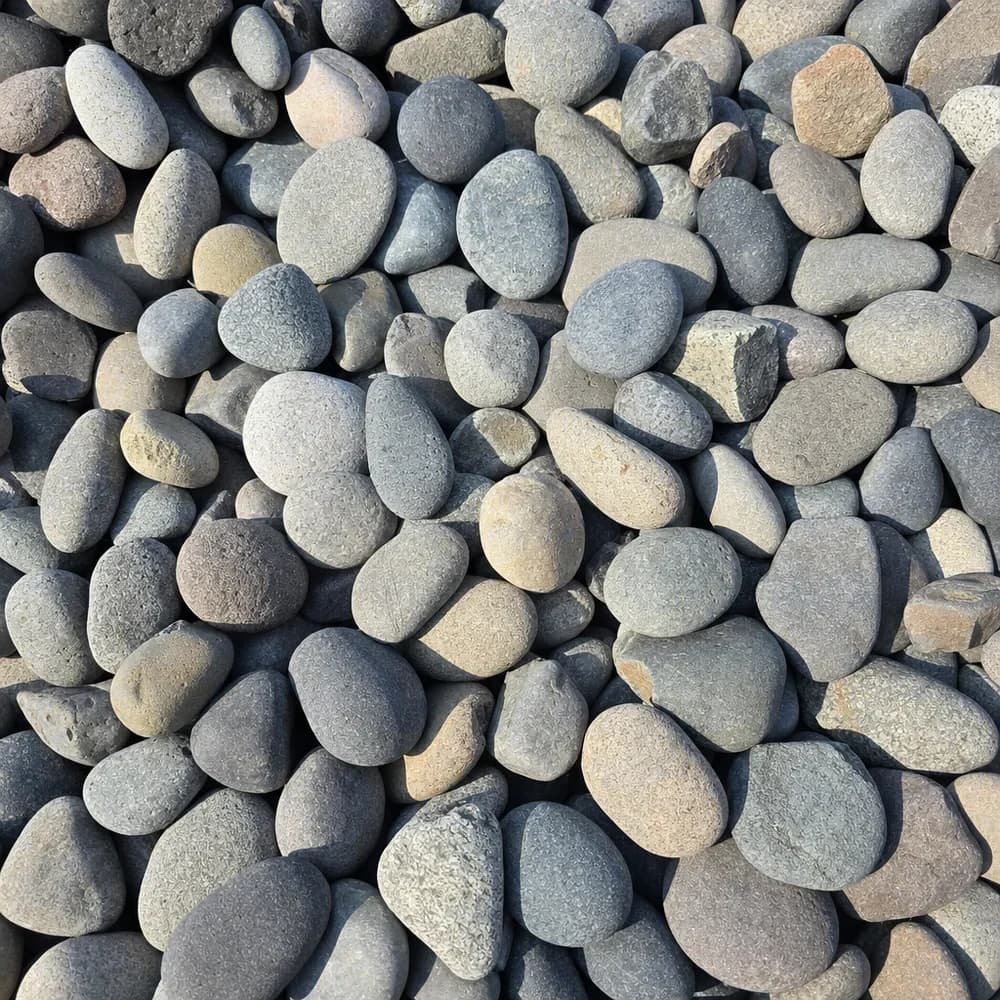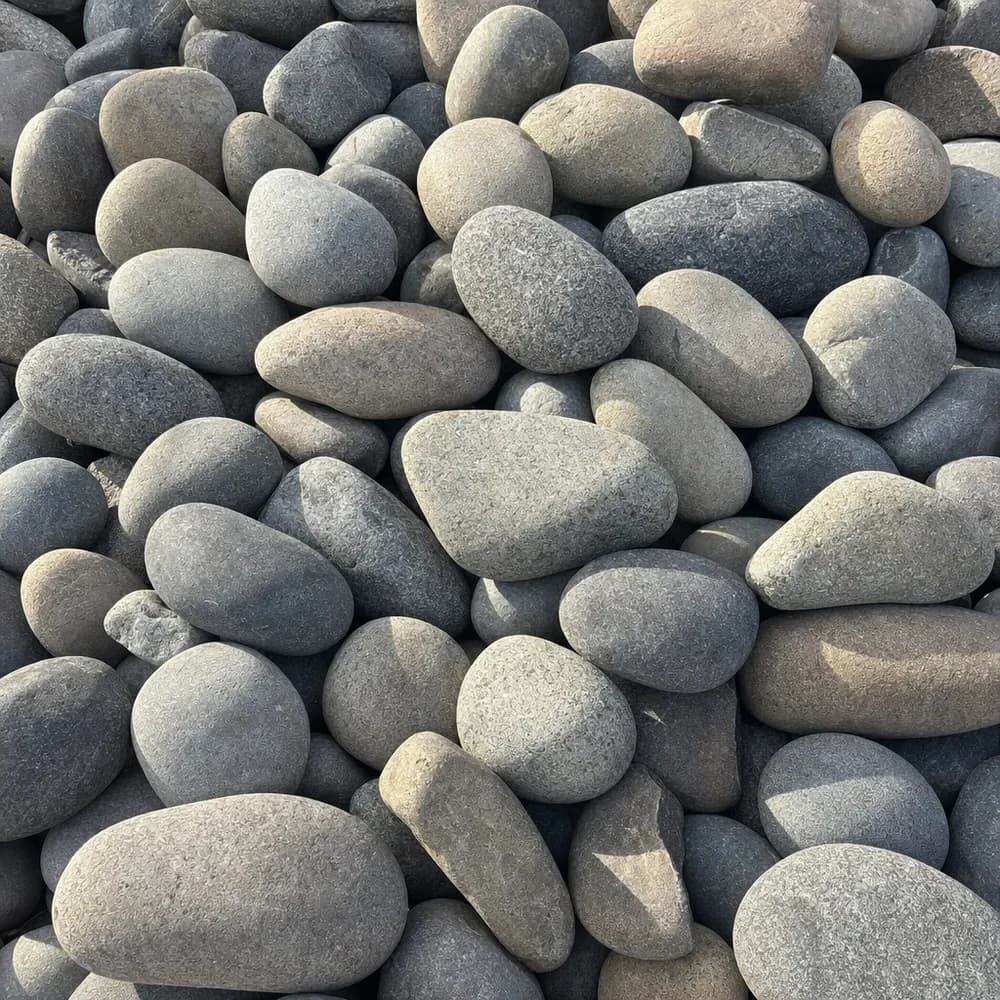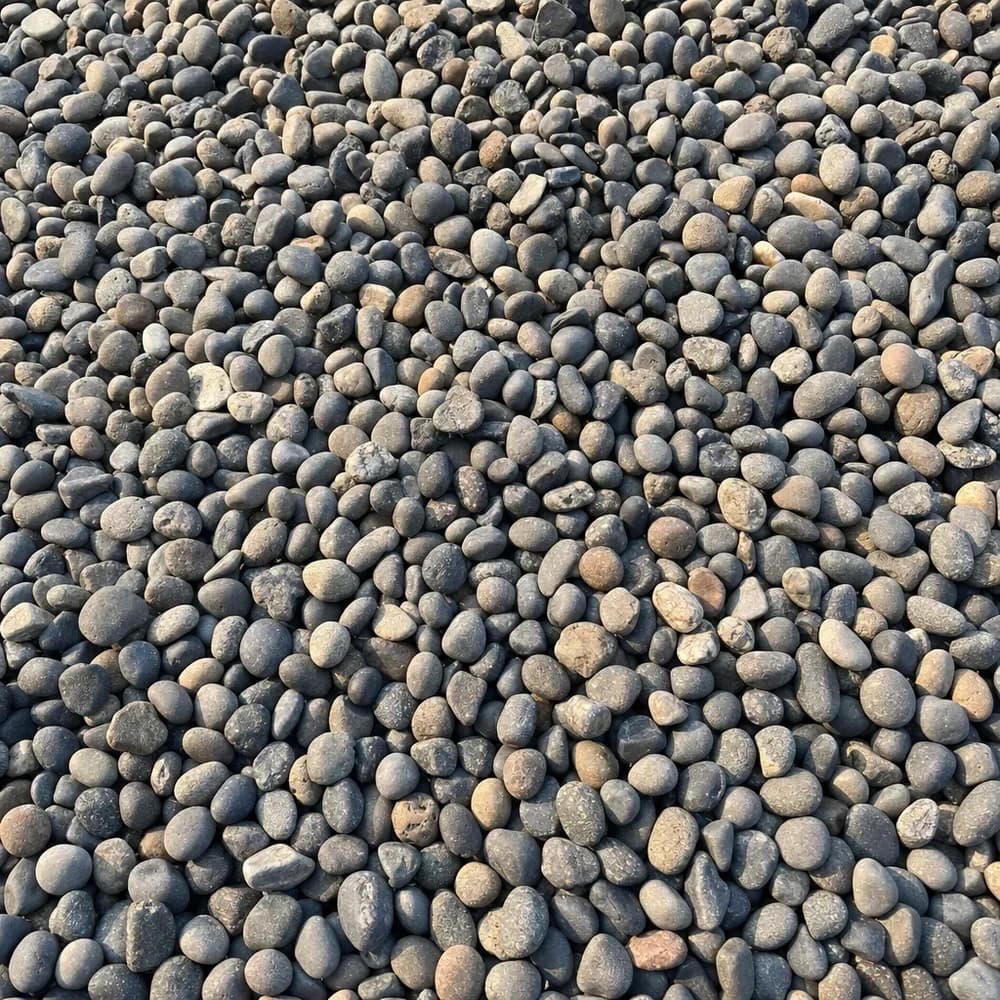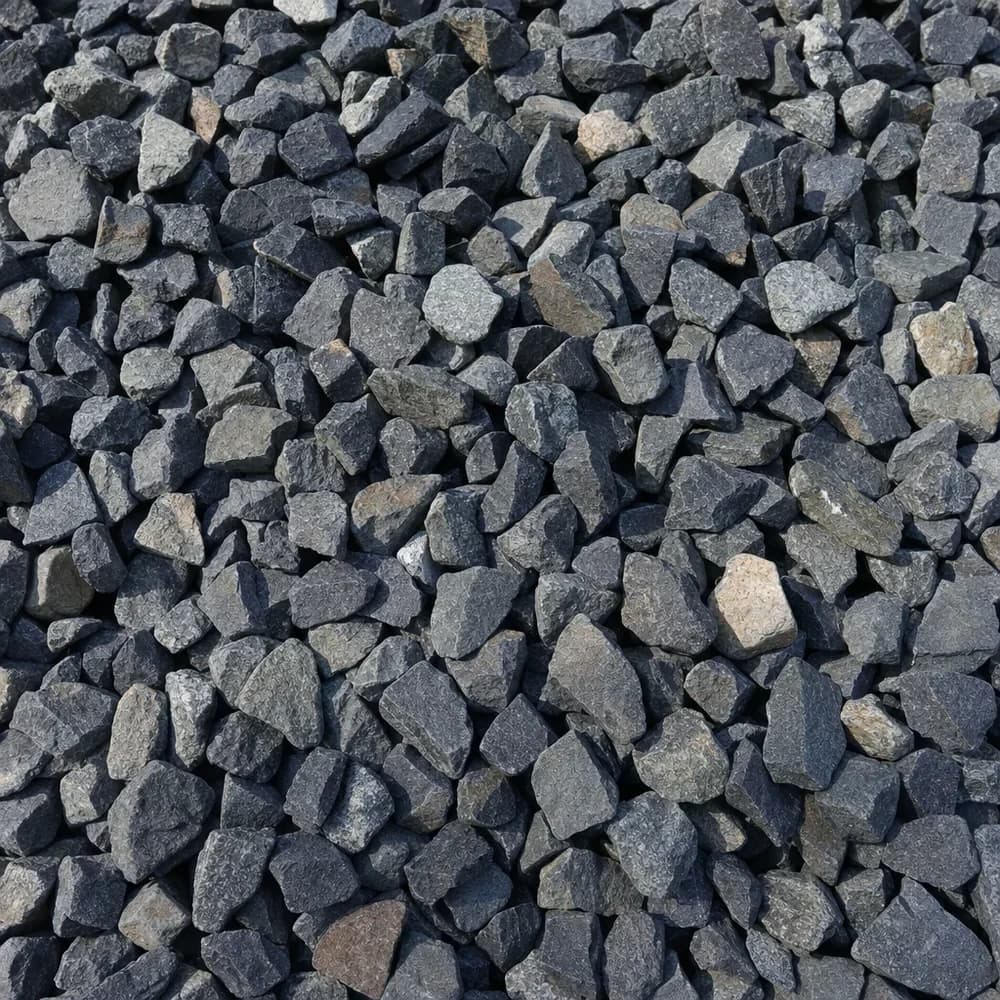
Driveway Gravel
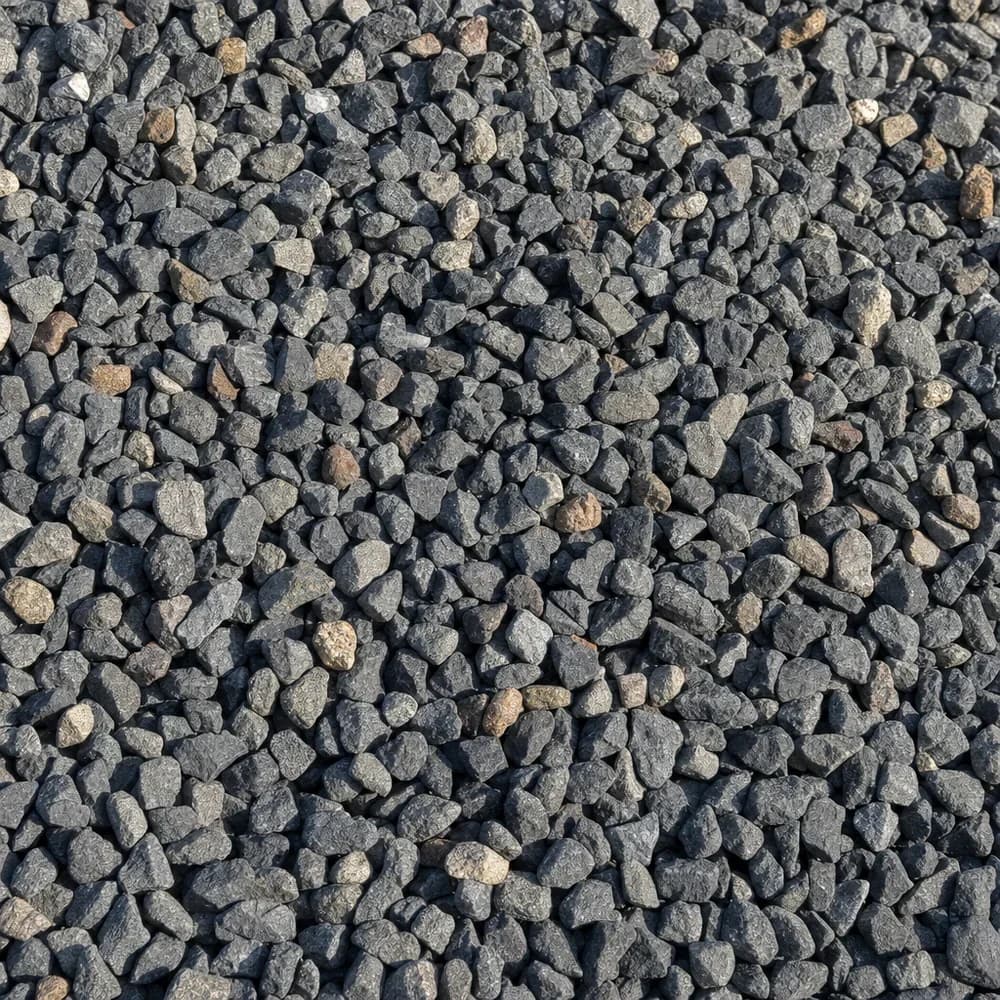
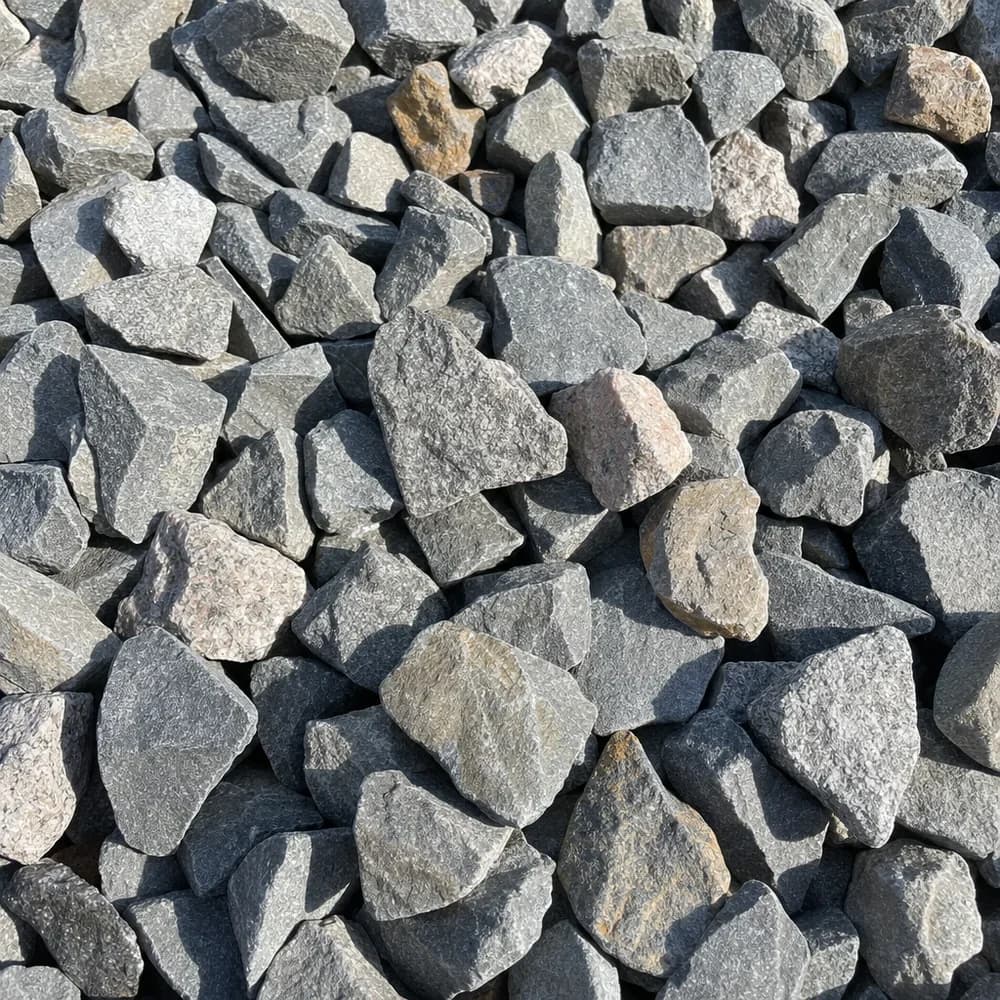
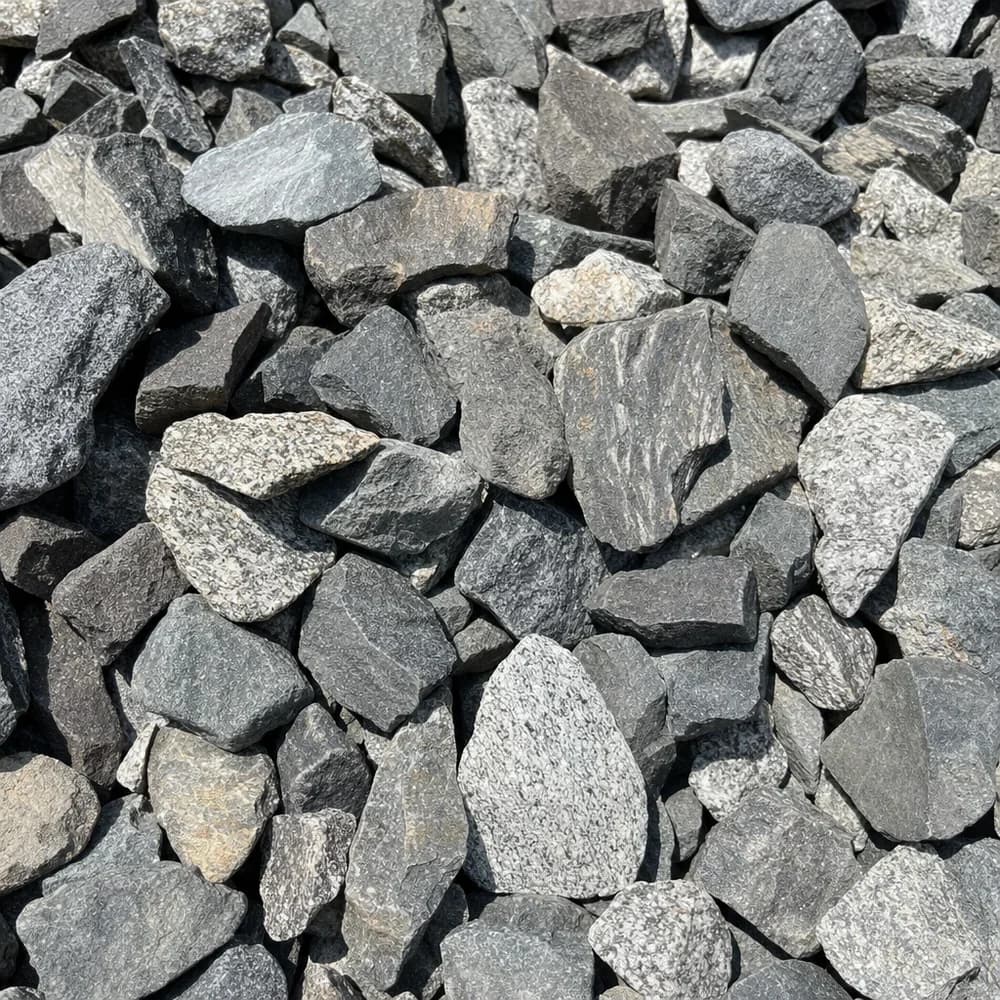
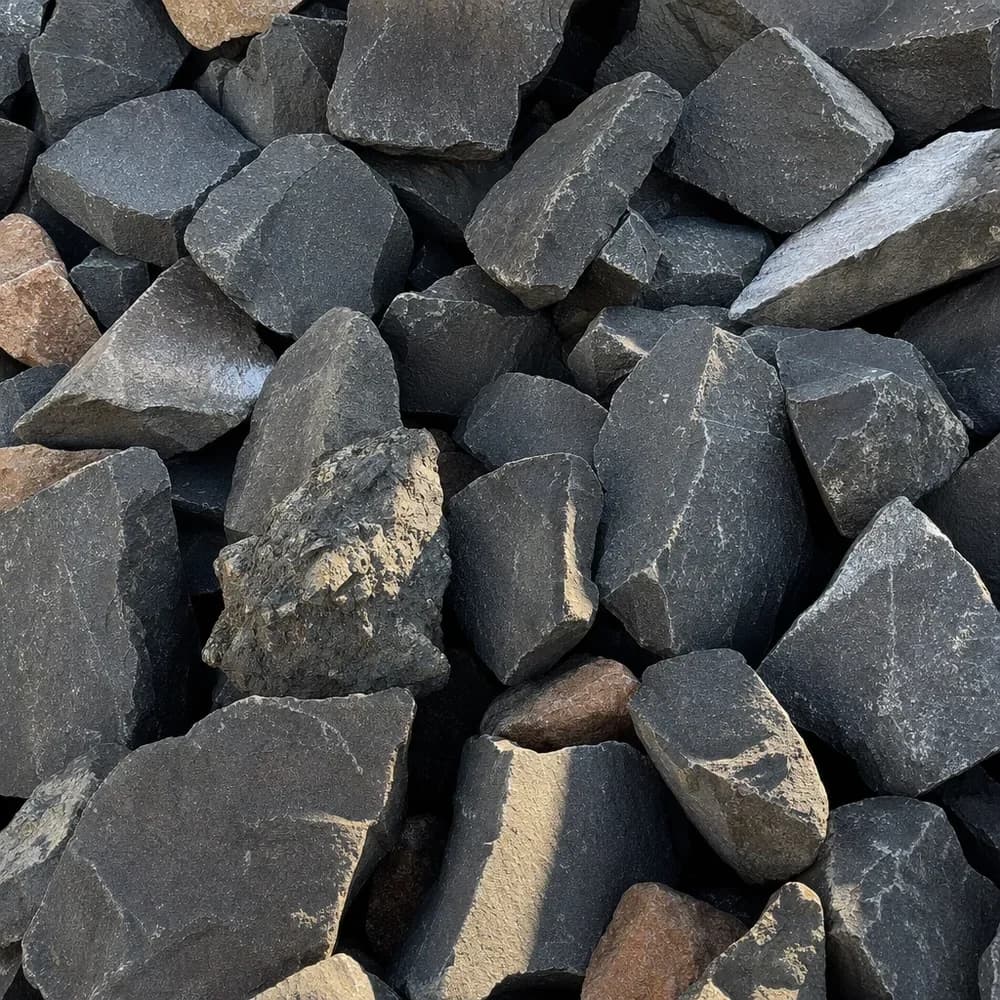
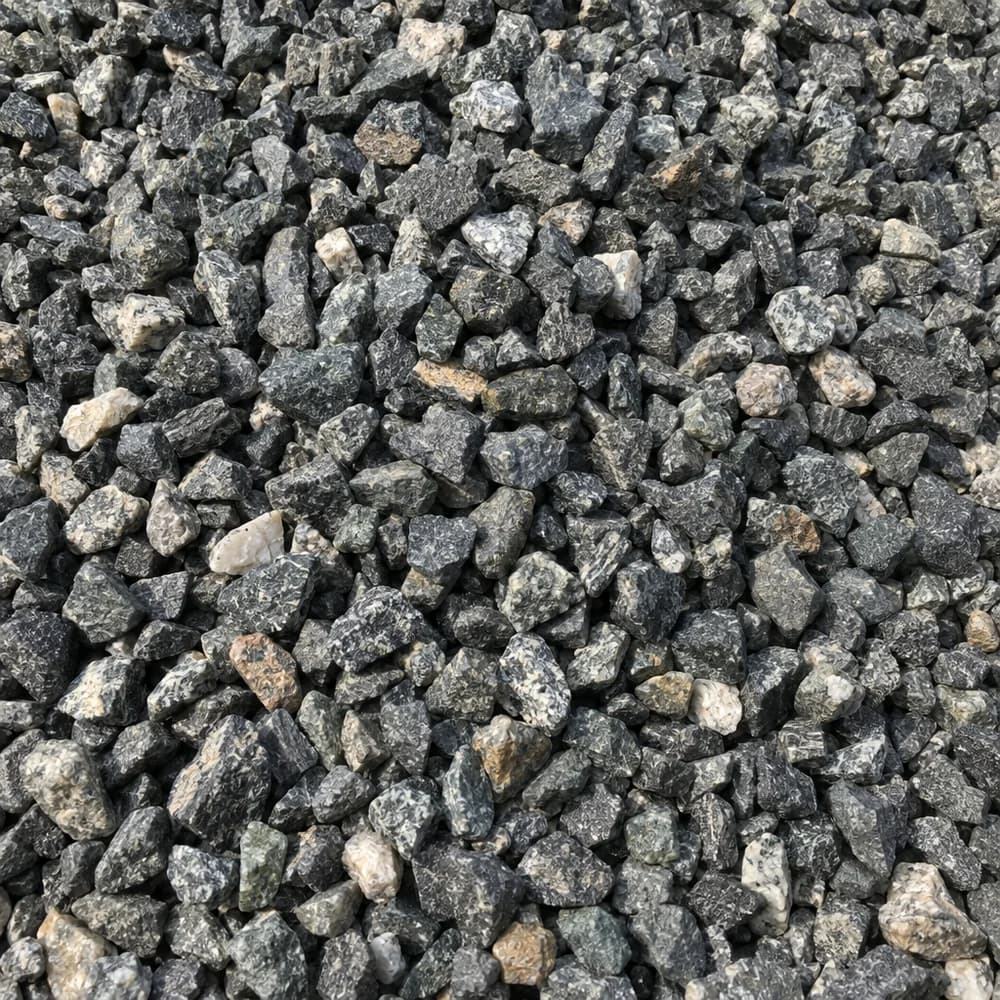
3/4" stone for building or resurfacing a gravel driveway
From 1 Ton Delivered, FREE to your Doorstep
Cost per ton lowers the more you order!
Free delivery to Closter
Bergen County, New Jersey · Free Delivery
Free delivery to Closter on every order, with loads arriving in as fast as 2 business days.
Delivering to Closter, NJ
Free delivery on every order.
Crushed gravel and base materials that compact under tires.
3/4" stone for building or resurfacing a gravel driveway
From 1 Ton Delivered, FREE to your Doorstep
Cost per ton lowers the more you order!
Free delivery to Closter
3/8" stone that's comfortable underfoot for paths and walks
From 1 Ton Delivered, FREE to your Doorstep
Cost per ton lowers the more you order!
Free delivery to Closter
Stone-and-dust blend that packs hard under drives and patios
From 1 Ton Delivered, FREE to your Doorstep
Cost per ton lowers the more you order!
Free delivery to Closter
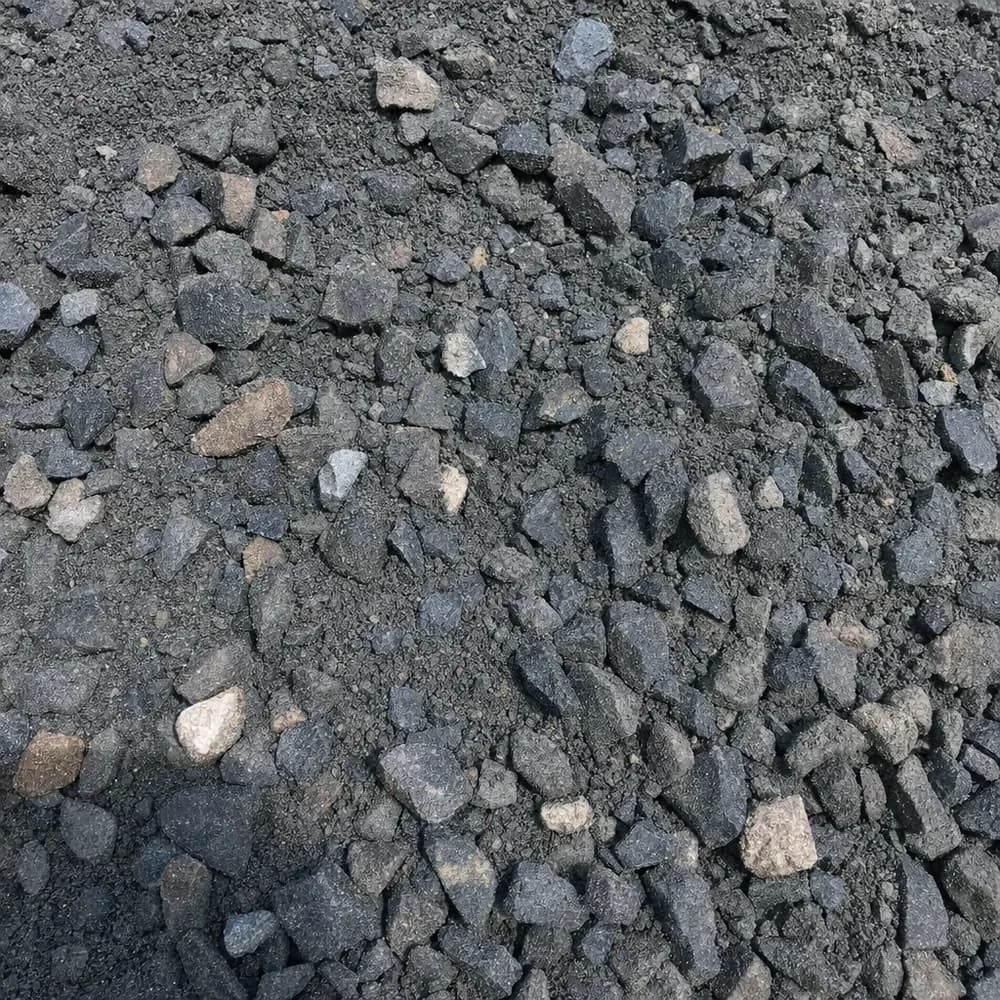
3/4" minus blend compacted under roads and heavy-load areas
From 1 Ton Delivered, FREE to your Doorstep
Cost per ton lowers the more you order!
Free delivery to Closter
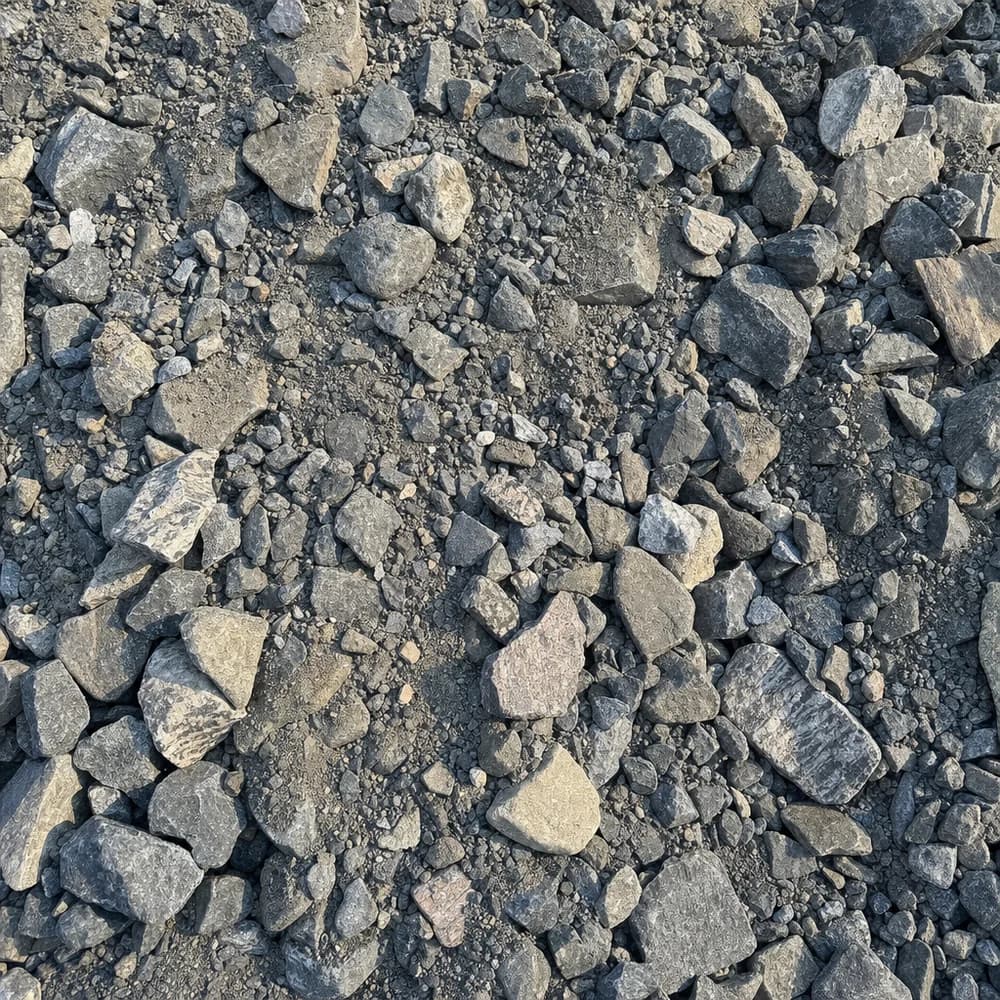
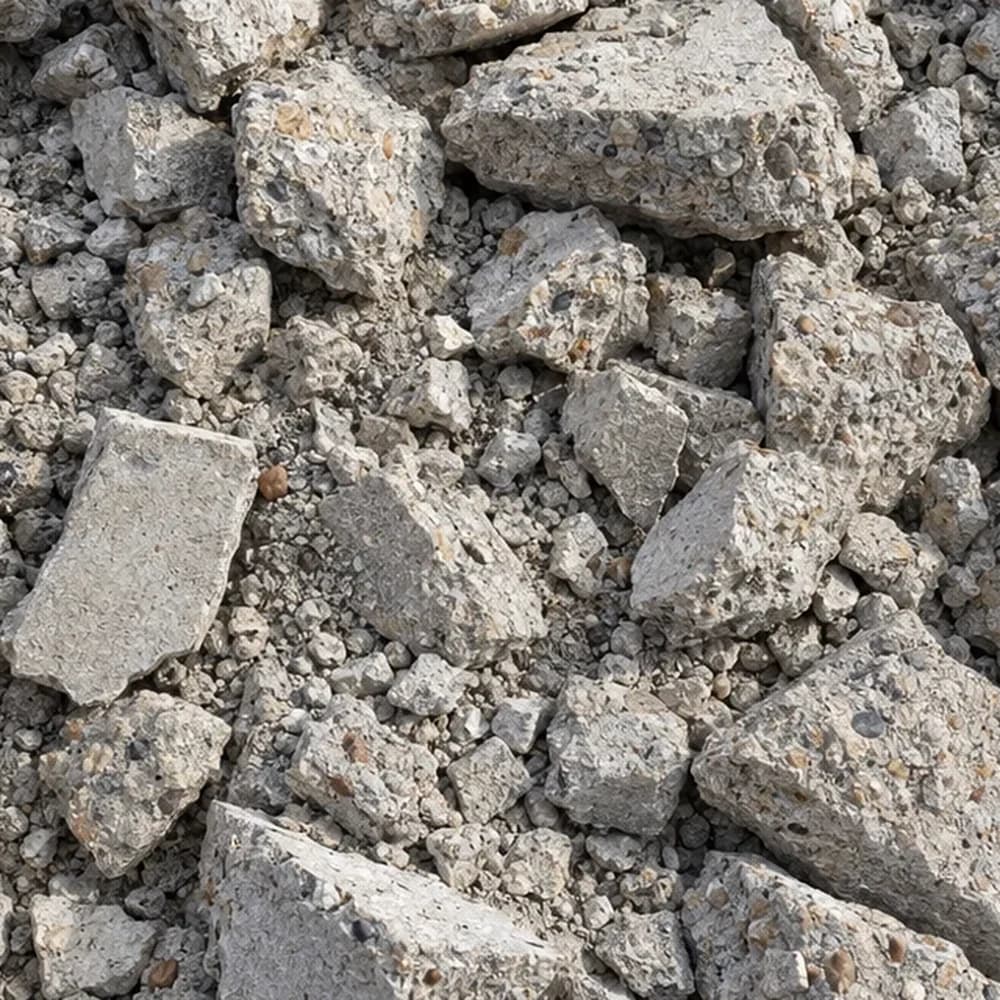
Recycled 3/4" base for drives, pads and access roads
From 1 Ton Delivered, FREE to your Doorstep
Cost per ton lowers the more you order!
Free delivery to Closter
Graded crushed stone for drainage, concrete and heavy work.
Angular 3/4" stone for drainage beds and concrete slab bases
From 1 Ton Delivered, FREE to your Doorstep
Cost per ton lowers the more you order!
Free delivery to Closter
All-purpose stone up to 1" for drainage, concrete and bases
From 1 Ton Delivered, FREE to your Doorstep
Cost per ton lowers the more you order!
Free delivery to Closter
Small 3/8" stone for walkways, patios and driveway topping
From 1 Ton Delivered, FREE to your Doorstep
Cost per ton lowers the more you order!
Free delivery to Closter
1/4" to 3/4" stone for concrete mix, drain lines and beds
From 1 Ton Delivered, FREE to your Doorstep
Cost per ton lowers the more you order!
Free delivery to Closter
1/4" minus stone dust for paver bedding and leveling
From 1 Ton Delivered, FREE to your Doorstep
Cost per ton lowers the more you order!
Free delivery to Closter
Clean 3/4" to 1" rock for French drains and septic fields
From 1 Ton Delivered, FREE to your Doorstep
Cost per ton lowers the more you order!
Free delivery to Closter
3/8" minus chip for paver joints, chip seal and tight bases
From 1 Ton Delivered, FREE to your Doorstep
Cost per ton lowers the more you order!
Free delivery to Closter
3/32" to 3/8" clean stone for drainage and concrete mixes
From 1 Ton Delivered, FREE to your Doorstep
Cost per ton lowers the more you order!
Free delivery to Closter
3/4" to 1-1/2" stone for erosion control and heavy base
From 1 Ton Delivered, FREE to your Doorstep
Cost per ton lowers the more you order!
Free delivery to Closter
1" to 2-1/2" angular stone for track beds and equipment pads
From 1 Ton Delivered, FREE to your Doorstep
Cost per ton lowers the more you order!
Free delivery to Closter
4" to 12"+ rock for shorelines, slopes and culvert outlets
From 1 Ton Delivered, FREE to your Doorstep
Cost per ton lowers the more you order!
Free delivery to Closter
Clean 1/8" to 1/2" chip for paver bedding and walkway bases
From 1 Ton Delivered, FREE to your Doorstep
Cost per ton lowers the more you order!
Free delivery to Closter
1-1/2" to 2-1/2" washed stone for construction entrances
From 1 Ton Delivered, FREE to your Doorstep
Cost per ton lowers the more you order!
Free delivery to Closter
Rounded stone for beds, borders and water features.
Rounded 1" to 3" stones for beds, borders and drainage
From 1 Ton Delivered, FREE to your Doorstep
Cost per ton lowers the more you order!
Free delivery to Closter
Large 2" to 4" stones for water features and dry creek beds
From 1 Ton Delivered, FREE to your Doorstep
Cost per ton lowers the more you order!
Free delivery to Closter
Smooth 3/8" pebbles for paths, patios and play areas
From 1 Ton Delivered, FREE to your Doorstep
Cost per ton lowers the more you order!
Free delivery to Closter
Washed sand for masonry, concrete and leveling.
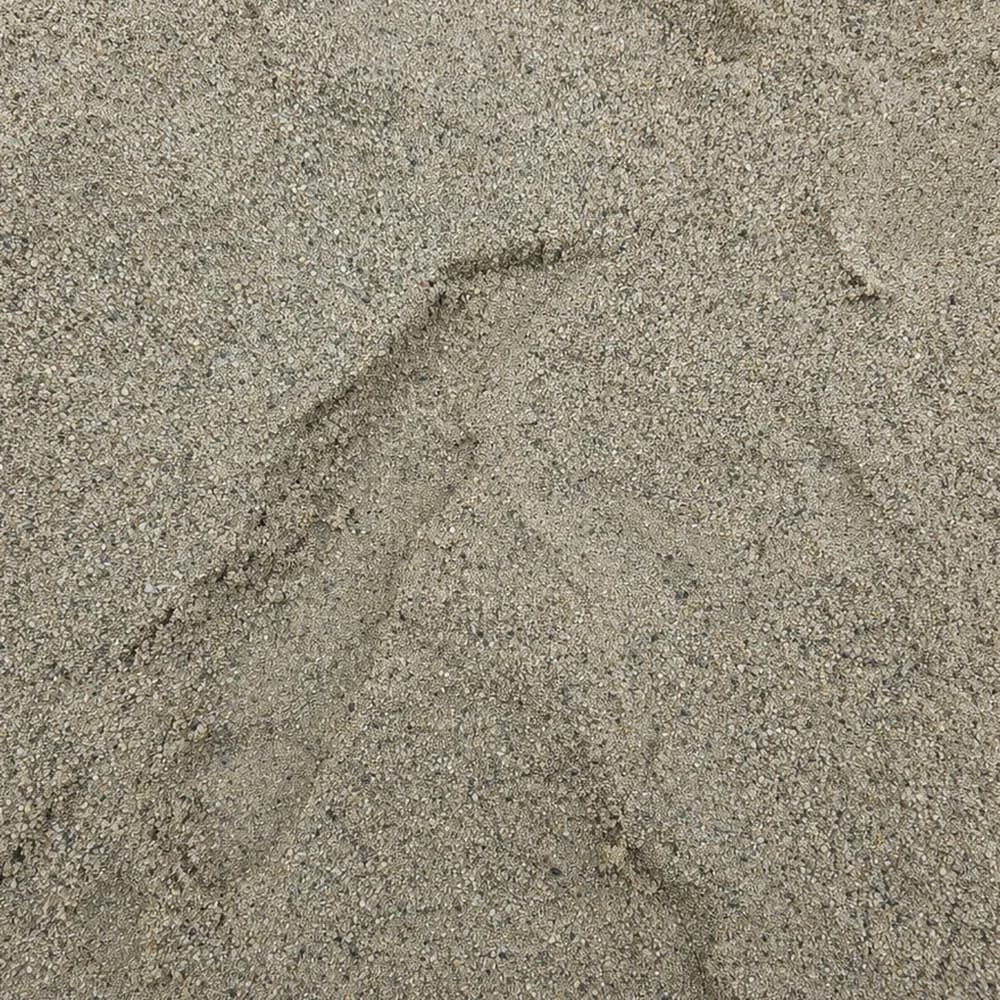
Fine sand for mortar, sandboxes and volleyball courts
From 1 Ton Delivered, FREE to your Doorstep
Cost per ton lowers the more you order!
Free delivery to Closter
Coarse, clean sand for concrete, backfill and leveling
From 1 Ton Delivered, FREE to your Doorstep
Cost per ton lowers the more you order!
Free delivery to Closter
Soil and fill by the ton, mulch by the cubic yard.
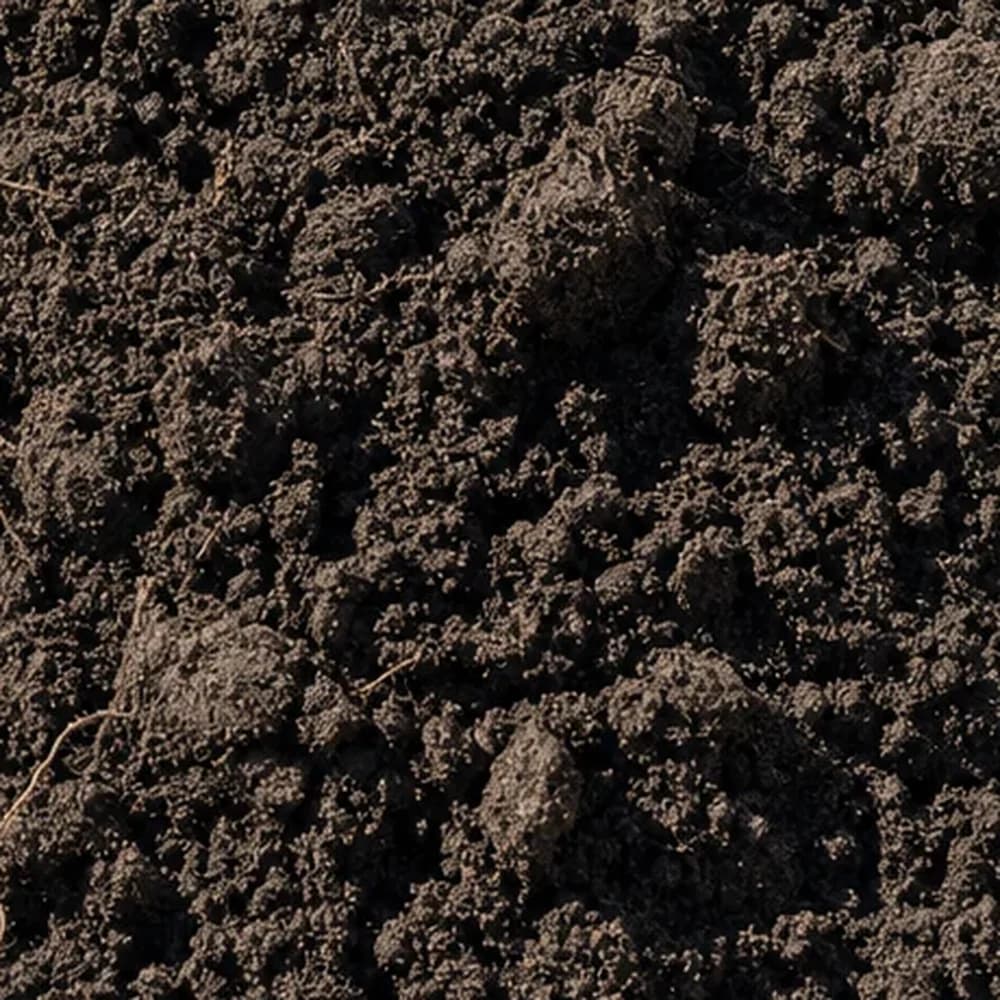
Screened topsoil for lawns, gardens and flower beds
From 1 Ton Delivered, FREE to your Doorstep
Cost per ton lowers the more you order!
Free delivery to Closter
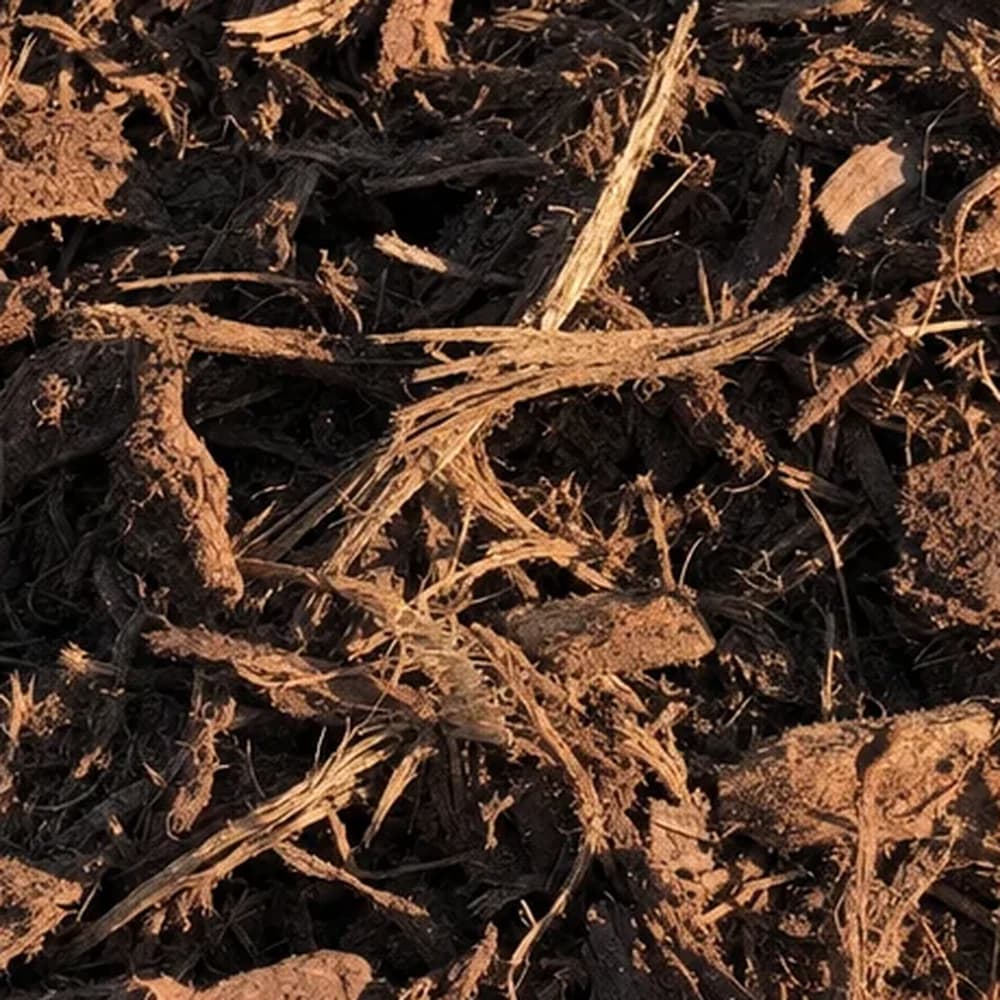
Hardwood mulch that holds moisture and keeps weeds down
From 1 Yard Delivered, FREE to your Doorstep
Cost per ton lowers the more you order!
Free delivery to Closter
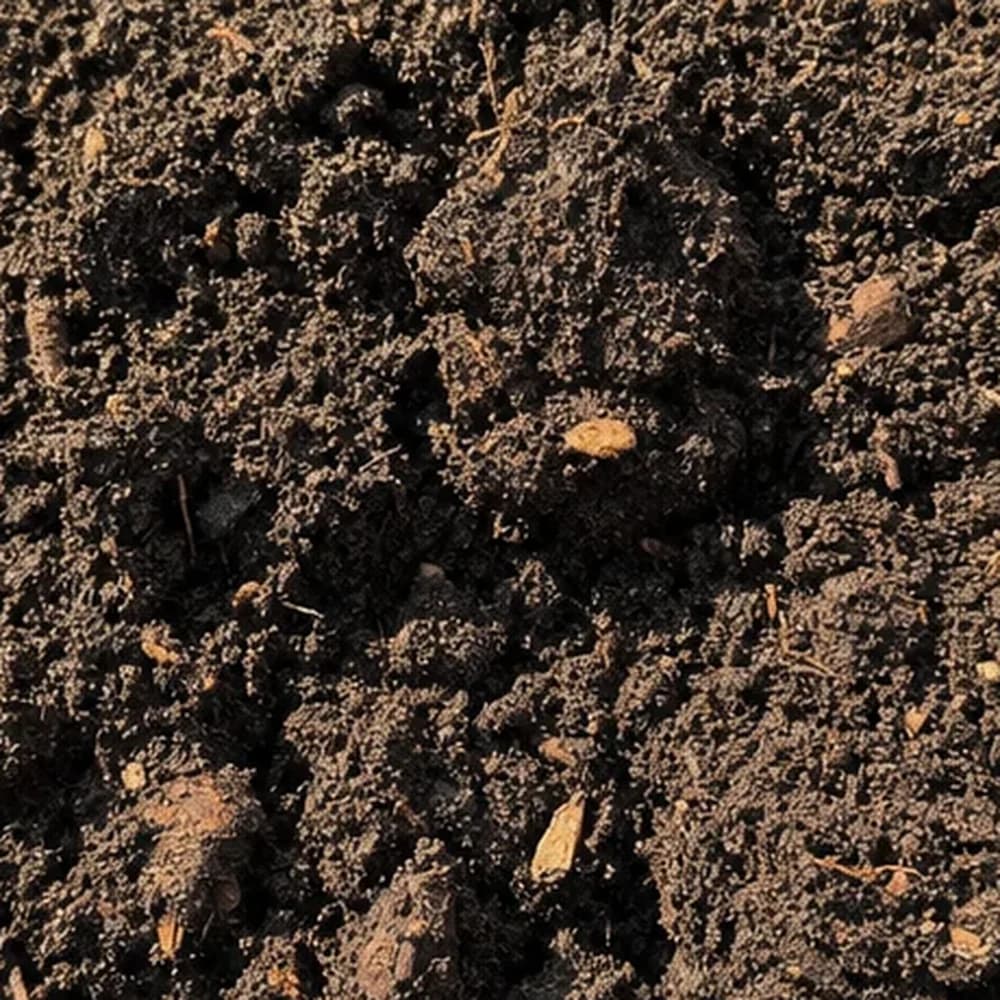
Compost-enriched soil for vegetable gardens and raised beds
From 1 Ton Delivered, FREE to your Doorstep
Cost per ton lowers the more you order!
Free delivery to Closter
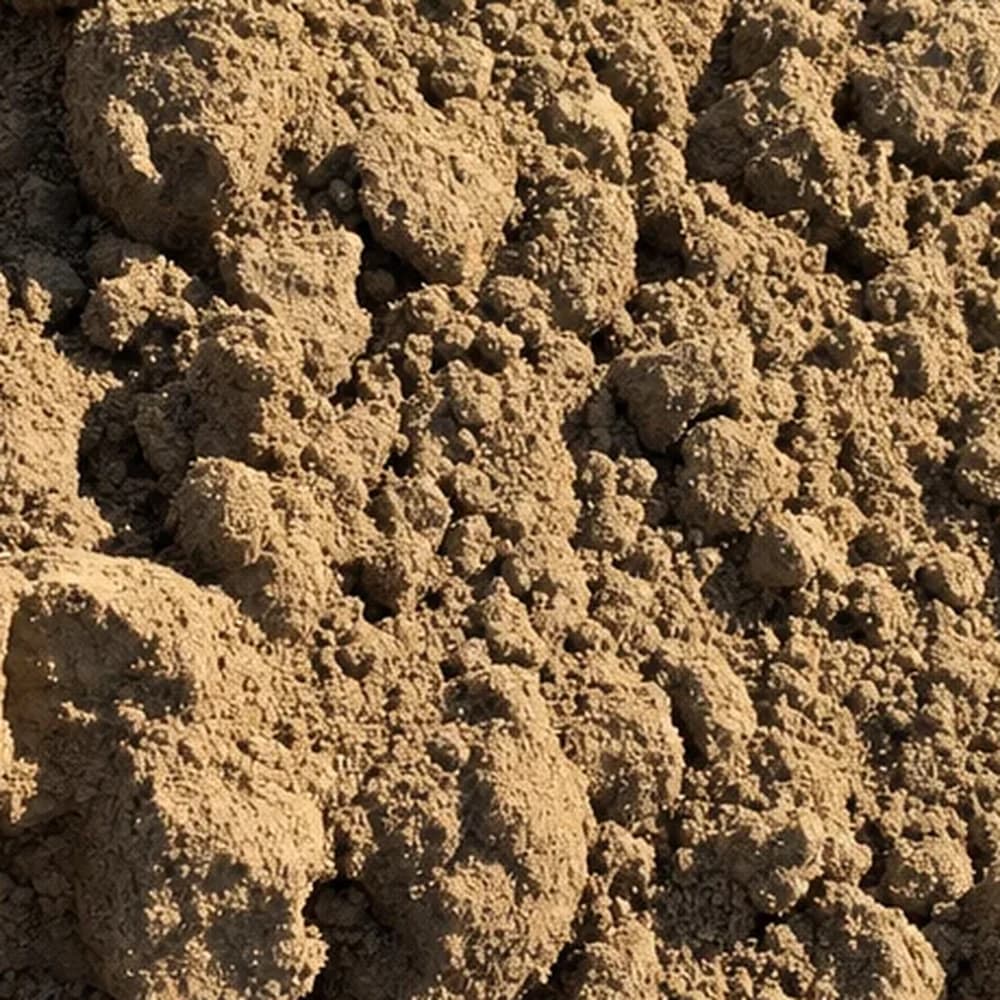
Compactable dirt for grading, backfill and low spots
From 1 Ton Delivered, FREE to your Doorstep
Cost per ton lowers the more you order!
Free delivery to Closter
Pick the material and quantity.Open a product to see your price, with free delivery to Closter.
Choose a delivery date at checkout.As fast as 2 business days for most Closter addresses.
Clear a drop spot.The truck tips the load where you mark it. Note low wires or branches when you order.
Not sure how much you need?
Enter length, width and depth and the calculator returns the cubic yards and tons for your project.
Open the calculatorOrder gravel and aggregate delivery in Closter, NJ. New Jersey Rock Supply sells bulk material online by the ton or by the yard. Start with quarry process, the QP base every paver patio and driveway here sits on. Then add stone dust, clean stone or sand to finish the job.
This is Bergen County ground: compact glacial till over red shale, with old lake clay in spots. It sheds water fast, so your base and bedding have to be built right the first time.
In Closter, a patio stays flat when the bedding layer is built correctly. Pavers need a compacted quarry process base and a stone dust setting bed on top. Skip either one and the surface shifts within a season.
Build the base with QP (Quarry Process). It is a blend of 3/4 inch stone down to stone dust, which is why it locks up tight under a plate compactor. Contractors here also ask for it as DGA or dense graded aggregate. QP is the usual base material, and Crusher Run works well where you want a similar binding blend.
Set the pavers on Stone Dust. It is the usual New Jersey bedding over a QP base, and it doubles as joint fill. For flagstone and paths, it gives a firm surface that stays put.
Pick the right drainage stone and the patio edge stays dry:
Sand and soil close out most Closter jobs. Mason Sand handles brick and block work and paver joints. Top Soil comes screened for lawn and bed prep over rocky northern ground.
A thin base shows itself fast here. The surface dips, pavers rock, and joints open after the first freeze. Compact glacial till and clay-rich old lake beds shed water quickly, so a shallow base never gets the support it needs.
The fix is depth and compaction. Excavate to firm ground, then place quarry process in lifts, compact each one and make sure water can drain away from the base. New Jersey residential code sets frost depth at 3 feet, and freeze-thaw runs every winter in this part of Bergen County.
Drainage matters too. The Passaic, Hackensack and Saddle river basins flood after heavy rain and tropical storm remnants. Run a drainage layer of clean stone behind retaining walls and under patio edges so water has somewhere to go.
Time the work. Base, driveway and paver crews run from spring into late fall. Frozen or saturated ground slows compaction in mid-winter and after big storms, so plan around the thaw.
Order online and choose your unit. Bulk material sells by the ton or by the cubic yard, and the two are not the same figure.
Tons work for stone, gravel and sand, where weight drives the load. Yards work for topsoil, fill and mulch, where volume drives it. Measure your area, multiply by the depth you need, and convert to the unit on the product page.
Delivery covers Closter and the rest of Bergen County, including Hackensack, Teaneck, Fort Lee, Fair Lawn and Garfield. Tell us where the truck can drop, and we spot the pile where your crew needs it.
Build the drive on quarry process, a 3/4 inch blend down to stone dust that compacts into a hard, binding base. Top it with 3/4 inch trap rock or driveway gravel for the wearing surface. Trap rock is the hard, dark crushed stone New Jersey is known for, and it holds up to plowing and freeze-thaw.
Measure the length and width in feet, then multiply by the depth in feet to get cubic feet. Divide by 27 for cubic yards, or use the tonnage on the product page. Patio bases use a compacted layer of quarry process, with a thin stone dust bed above it.
Run your measurements through the calculator and pick tons or yards with confidence. Get the base depth and bedding right, and the patio stays flat through every Closter winter. Order your quarry process, stone dust and drainage stone online today.
Common questions about gravel and aggregate delivery in Closter, NJ
Build the drive on quarry process, a 3/4 inch blend down to stone dust that compacts into a hard, binding base. Top it with 3/4 inch trap rock or driveway gravel for the wearing surface. Trap rock is the hard, dark crushed stone New Jersey is known for, and it holds up to plowing and freeze-thaw.
Measure the length and width in feet, then multiply by the depth in feet to get cubic feet. Divide by 27 for cubic yards, or use the tonnage on the product page. Patio bases use a compacted layer of quarry process, with a thin stone dust bed above it.
We would rather move a delivery than tear up your ground. If the site is too wet for the truck on the day, we will call you and rebook. Tell us in advance about any part of the approach that does not drain and we will plan around it.